What Does an Alberta Out of Province Inspection Check?
September 3, 2026
A practical guide to Alberta’s Out of Province Inspection requirements and what technicians check.

If you are bringing a vehicle into Alberta from another province, the United States, Japan, or another jurisdiction, you may need to complete an Alberta Out of Province Vehicle Inspection before the vehicle can be registered in Alberta.
One of the most common questions we hear is:
“What exactly do they check during an Out of Province Inspection?”
An Alberta Out of Province Inspection is much more detailed than a quick safety check. The inspection looks at the vehicle's major safety systems, mechanical condition, required equipment, lighting, tires, brakes, steering, suspension, glass, structural components and other items to determine whether the vehicle meets Alberta's inspection requirements.
At NAPA Heritage Autopro and Tire – Fairmount in Calgary, we perform Alberta Out of Province Inspections on cars, SUVs, light trucks and many Japanese domestic market (JDM) vehicles. Here is what you can expect.
What Is an Alberta Out of Province Inspection?
An Out of Province Inspection is a regulated vehicle inspection required for many vehicles being registered in Alberta after previously being registered outside the province. It must be completed at a licensed Alberta Vehicle Inspection Facility by a technician who is licensed to perform Out of Province Inspections.
The purpose is not simply to determine whether the vehicle currently drives. The vehicle must meet the applicable safety and vehicle-equipment inspection standards.
That means a vehicle can drive perfectly well and still fail an Out of Province Inspection because of concerns involving brakes, tires, lighting, windshield condition, suspension components, warning systems or other regulated items.
What Does an Alberta Out of Province Inspection Check?
The inspection covers multiple areas of the vehicle.
1. Vehicle Identification and General Condition
Before beginning the inspection, the technician verifies information about the vehicle, including its identification. The vehicle's VIN and general configuration must correspond with the inspection documentation.
The technician also looks for obvious conditions that could affect whether the vehicle can be safely inspected or road tested.
2. Road Test
An Out of Province Inspection is not limited to putting the vehicle on a hoist. A road test helps the technician evaluate how the vehicle operates under normal driving conditions.
This can include checking:
- Brake operation
- Steering response
- Vehicle handling
- Speedometer operation
- Unusual noises
- Drivability concerns
- Components that appear seized or failing
- Other conditions that become apparent while driving
A problem that is difficult to identify in the shop may become obvious during the road test.
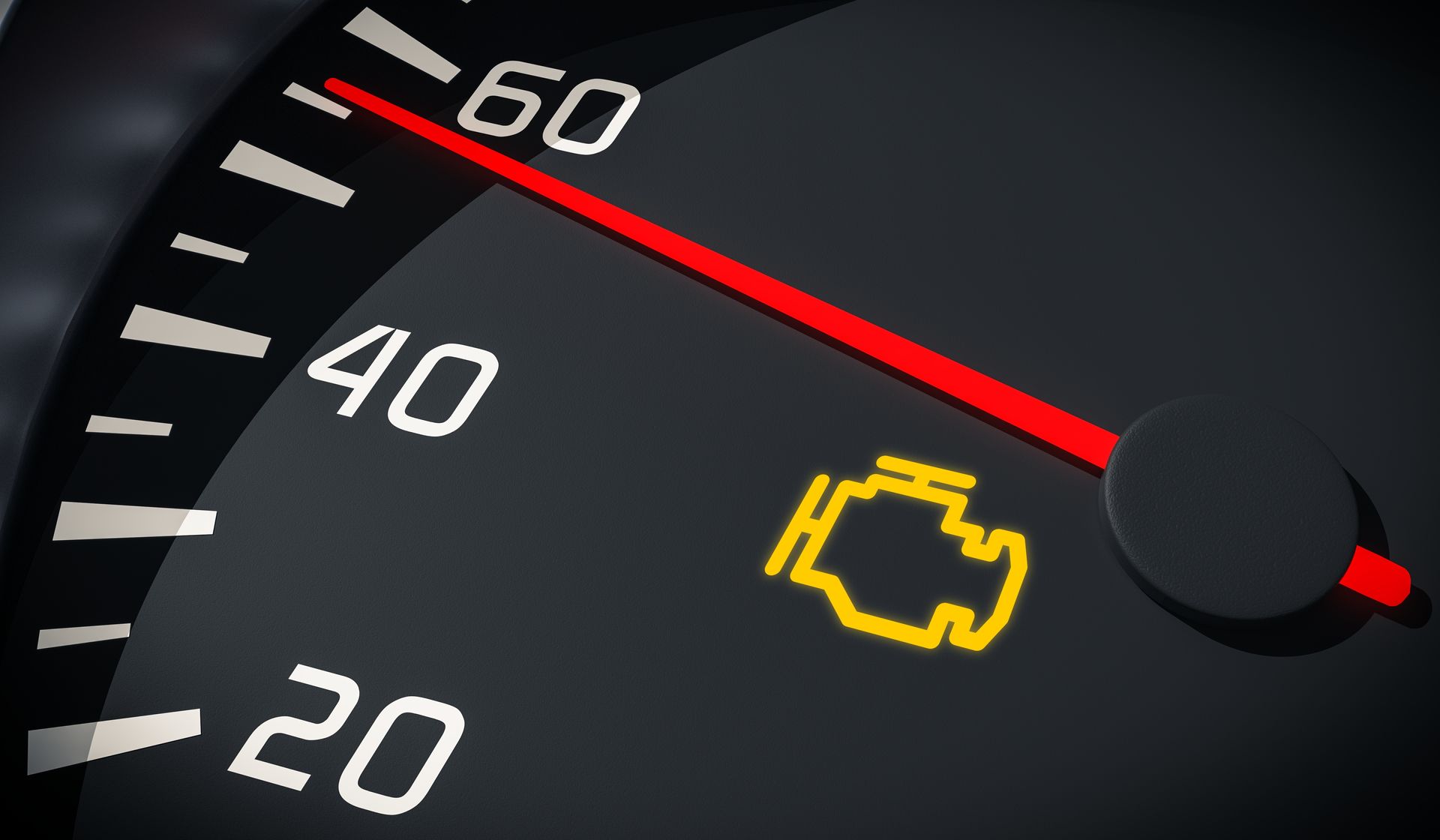
3. Warning Lights and Electronic Safety Systems
Modern vehicles rely heavily on electronic safety systems. Depending on the vehicle, the inspection can include checking systems such as:
- Anti-lock braking system (ABS)
- Supplemental restraint system (SRS/airbag system)
- Powertrain control systems
- Stability-related systems
- Applicable warning lamps
A warning light should not simply be cleared immediately before an inspection. If a system has a fault affecting an inspection requirement, the underlying problem may need to be diagnosed and repaired.
4. Windshield, Windows and Vehicle Glass
Glass is an important part of an Out of Province Inspection. The technician checks applicable glass components for concerns including damage, visibility and proper safety-glass requirements.
The windshield is particularly important. Cracks, significant chips or damage affecting the required area of the windshield may result in the vehicle not meeting inspection requirements.
Other items that may be inspected include:
- Windshield
- Side windows
- Rear glass
- Mirrors
- Window operation where applicable
- Required safety glazing
It is a good idea to address obvious windshield damage before booking your inspection.
5. Windshield Wipers and Washers
Being able to see clearly during rain, snow and road spray is a safety requirement. The inspection includes applicable windshield wiping and washing equipment.
The technician may check:
- Wiper operation
- Wiper blades
- Washer operation
- Wiper condition
- Proper windshield coverage
Wipers that are torn, missing or unable to properly clear the windshield can create an inspection problem.
6. Headlights, Brake Lights and Exterior Lighting
Lighting problems are particularly common on vehicles undergoing Out of Province Inspections. The technician checks the vehicle's required exterior lamps and related equipment.
Depending on the vehicle, this may include:
- Low-beam headlights
- High-beam headlights
- Daytime running lights
- Turn signals
- Hazard lights
- Brake lights
- Tail lights
- Licence plate lights
- Reverse lights
- Side marker lights
- Reflectors
- Centre high-mounted brake light
The lamps must not only illuminate; applicable lamps also have to operate and perform correctly. Broken lenses, incorrect colours, non-functioning bulbs and improperly operating lights can result in repairs being required.
7. Headlight Aim
Headlights that work are not necessarily headlights that meet inspection requirements. Headlight aim is important because improperly aimed headlights can reduce the driver's visibility or shine directly into oncoming traffic.
This is especially relevant with some imported vehicles. Vehicles originally designed for countries that drive on the opposite side of the road may have a headlight beam pattern that is inappropriate for Canadian roads.
In some cases, the headlamp assemblies may need to be replaced or modified with compliant components before the vehicle can pass inspection.
8. Tires
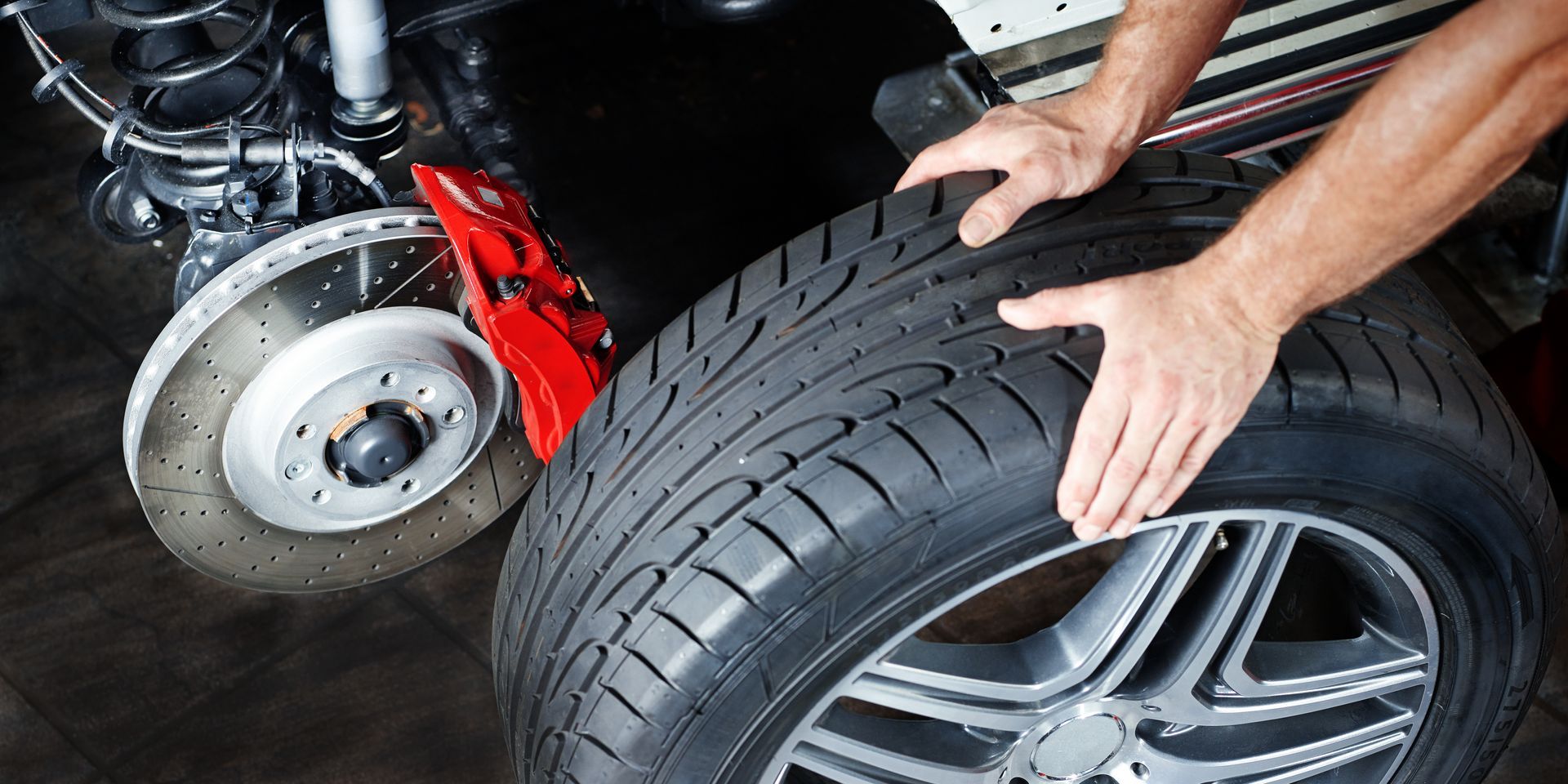
All four tires are inspected. The technician looks at items such as:
- Tread condition
- Tire damage
- Exposed cords
- Cracking
- Bulges
- Incorrect or incompatible tire installation
- Tire sizing where applicable
- General roadworthiness
A tire does not need to be completely bald before it becomes an inspection concern. Damage to the tire's structure can be just as important as tread depth.
9. Wheels and Wheel Fasteners
The wheels are also inspected. This can include looking for concerns such as:
- Cracked or damaged wheels
- Improper wheel installation
- Missing or damaged wheel fasteners
- Wheel-related safety concerns
Aftermarket wheels are not automatically a problem, but they still need to be properly installed and suitable for the vehicle.
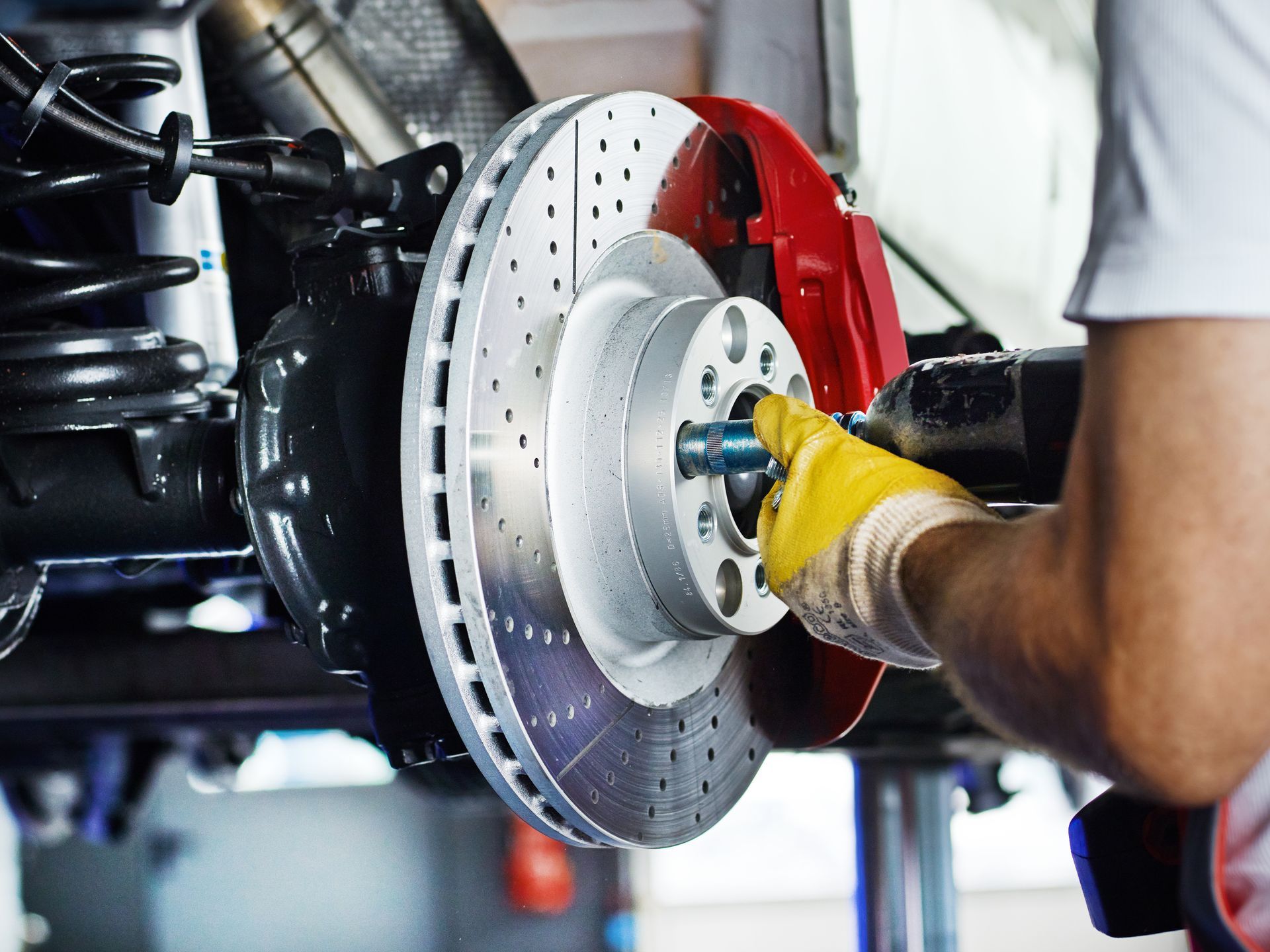
10. Brake System
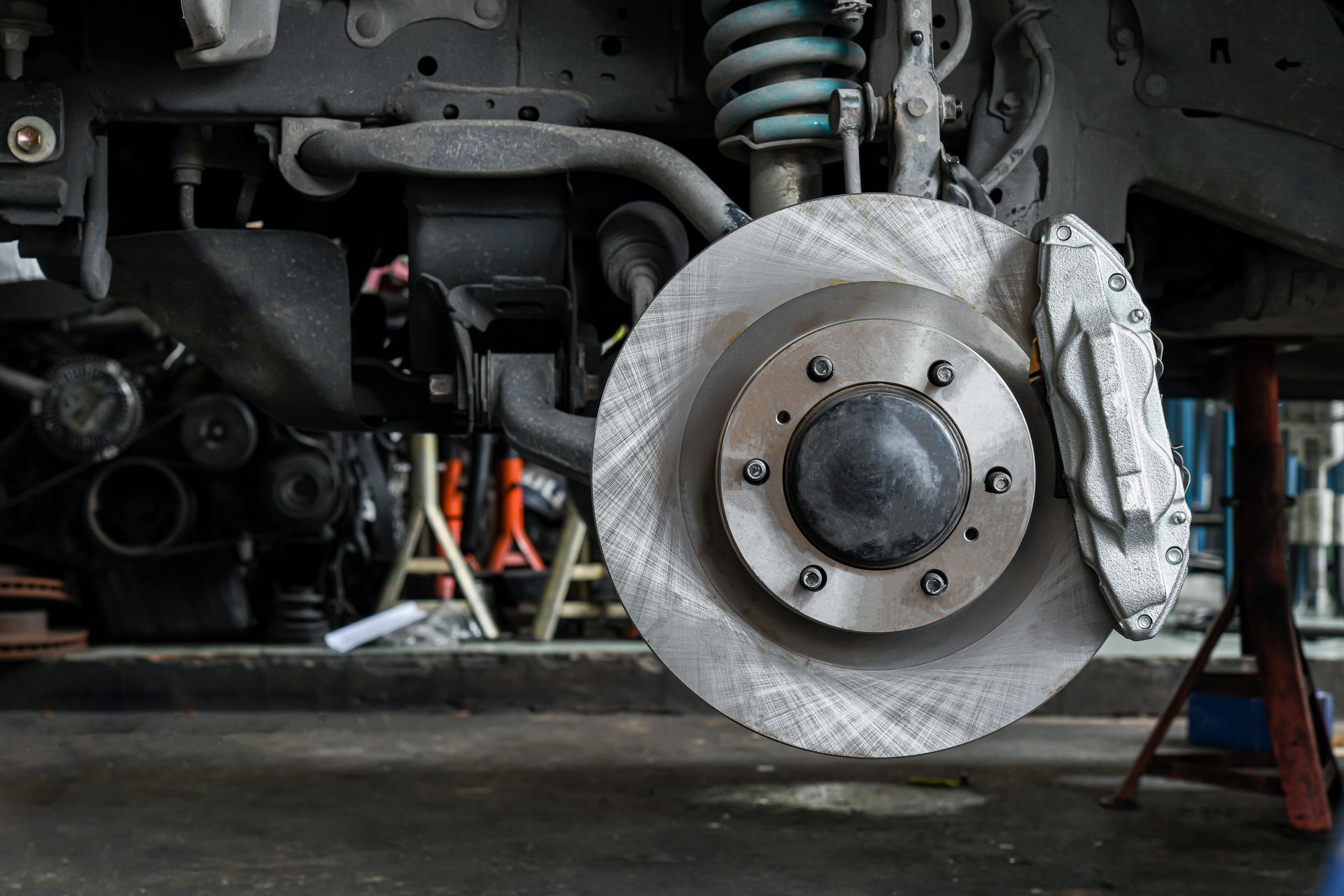
The braking system is one of the most important areas of an Alberta Out of Province Inspection. Depending on the vehicle, the technician may inspect components including:
- Brake pads
- Brake shoes
- Brake rotors
- Brake drums
- Brake calipers
- Brake hoses
- Brake lines
- Brake fluid leaks
- Parking brake
- Brake operation
- ABS-related components and warning systems
Components must be within the applicable inspection limits. A brake system can sometimes still stop the vehicle while having a seized caliper, deteriorated brake hose, badly worn pads or another condition that requires attention.
11. Steering System
The technician checks steering components for excessive wear, looseness, damage and other safety concerns. Depending on the vehicle, this may include:
- Inner and outer tie rods
- Steering rack
- Steering gearbox
- Steering shaft
- Steering linkage
- Power steering components
- Related mounting points
Excessive play in a steering component can affect vehicle control and tire wear.
12. Suspension
The suspension system is inspected for worn, loose, broken or damaged components. This can include:
- Ball joints
- Control arms
- Control arm bushings
- Struts
- Shock absorbers
- Springs
- Sway bar components
- Suspension mounting points
- Wheel bearings
Some movement is normal in certain suspension designs, but components must remain within their allowable limits. A torn boot does not always mean a component has failed, but excessive looseness or structural damage can result in the vehicle failing inspection.
13. Wheel Bearings
Wheel bearing condition is checked where applicable. Excessive wheel-bearing looseness, roughness or other signs of failure can be an inspection concern.
Wheel bearing problems are important because they can affect:
- Wheel stability
- Tire wear
- ABS operation
- Vehicle handling
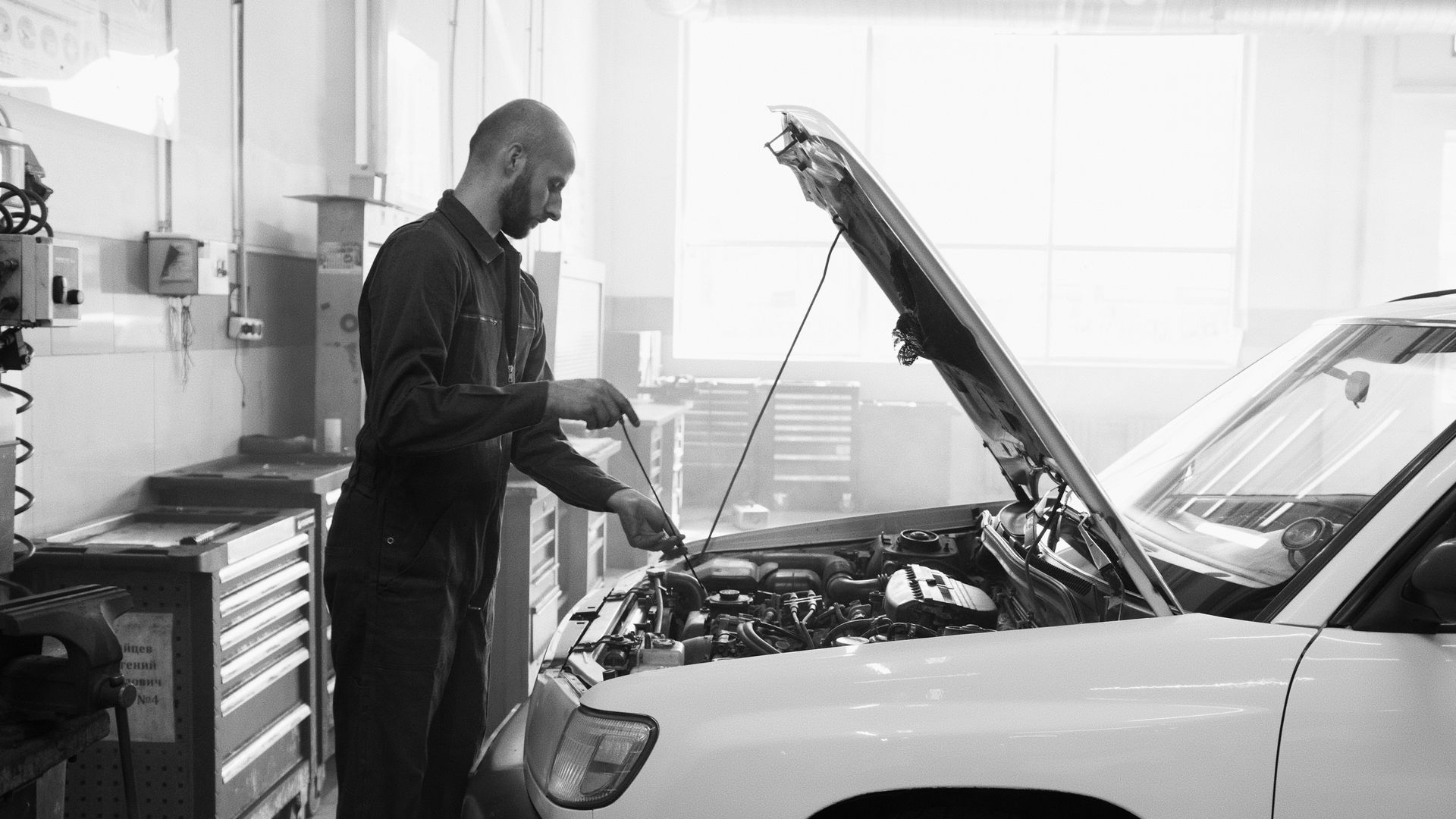
14. Under-Hood Inspection
The technician also examines applicable components under the hood. This can involve checking areas related to:
- Brake system
- Steering system
- Fluid leaks
- Battery mounting
- Wiring
- Fuel system
- Cooling-system components
- Other safety-related equipment
Not every small oil seep automatically means a vehicle fails. The location and severity of a leak, and whether it creates a safety or mechanical concern under the inspection standard, are important.
15. Exhaust System
The exhaust system is inspected underneath the vehicle. The technician may check for:
- Exhaust leaks
- Loose components
- Damaged exhaust components
- Improper mounting
- Missing required equipment
- Exhaust routing concerns
A severely leaking or improperly secured exhaust system can be a safety concern.
16. Fuel System
The fuel system is inspected for conditions that could create a safety hazard. Fuel leaks are taken seriously.
Applicable fuel tanks, fuel lines, hoses and related components must be adequately secured and free from unsafe conditions.
17. Vehicle Structure and Undercarriage
This is an especially important area on older vehicles and vehicles that have spent many winters in areas where road salt is used. The technician inspects portions of the vehicle's structure and underbody for deterioration or damage affecting safety.
Significant corrosion may become an inspection concern when it affects structural areas or the mounting of important components. This is one reason we recommend inspecting an older vehicle before purchasing it and transporting it to Alberta whenever possible.
Mechanical repairs can often be straightforward. Major structural corrosion can be a much larger problem.
18. Seat Belts and Interior Safety Equipment
Required occupant-restraint equipment is inspected. This can include:
- Seat belts
- Seat-belt buckles
- Seat-belt mounting points
- Applicable airbag/SRS warning system
- Seats and seat mounting
- Other required interior safety equipment
A damaged or non-functioning seat belt can prevent a vehicle from meeting inspection requirements.
19. Horn
It sounds simple, but the horn is also safety equipment. A non-functioning horn is one of those small problems that can easily be overlooked before an inspection.
20. Mirrors
Required mirrors must be installed, adequately secured and provide appropriate visibility. Broken, missing or severely damaged mirrors may need to be repaired before the vehicle can pass.
What Commonly Fails an Alberta Out of Province Inspection?
Every vehicle is different, but some of the issues we commonly see include:
- Cracked or damaged windshields
- Worn tires
- Loose ball joints or tie rods
- Worn suspension bushings
- Wheel bearing play
- Brake components outside allowable limits
- Seized brake calipers
- Brake or fuel leaks
- ABS or airbag warning lights
- Non-functioning exterior lights
- Headlight aim problems
- Exhaust leaks
- Structural corrosion
- Damaged seat belts
- Wiper or washer problems
Imported vehicles can also have additional equipment-related concerns.
What About JDM and Right-Hand-Drive Vehicles?
Japanese domestic market vehicles require some additional attention because they were originally manufactured for the Japanese market rather than the Canadian market. At Heritage Auto, we regularly work with Japanese imports including vehicles such as the Mitsubishi Delica and other right-hand-drive vehicles.
Common areas that deserve attention before an Alberta inspection can include:
- Headlight beam pattern and aim
- Daytime running lights
- Side marker lights
- Reflectors
- Windshield and glazing
- Tires
- Rust and structural condition
- Lighting configuration
- Other equipment differences between the original market and Alberta requirements
A vehicle being legal in Japan does not automatically mean that every piece of equipment meets Alberta inspection requirements. For example, a right-hand-drive vehicle's original headlights may direct the beam in a manner intended for left-side traffic. Those headlights may need to be replaced with units appropriate for use on Alberta roads.
For older JDM vehicles, we also recommend paying particular attention to undercarriage corrosion before purchasing the vehicle.
Does an Out of Province Inspection Include an Alignment?
A wheel alignment is not automatically performed as part of an Out of Province Inspection. However, if the inspection identifies steering, suspension, tire-wear or vehicle-handling concerns, an alignment or additional diagnosis may be recommended.
If steering or suspension components need to be replaced, a wheel alignment may also be necessary after repairs.
How Long Does an Alberta Out of Province Inspection Take?
An Out of Province Inspection is considerably more involved than a basic visual inspection. Allow adequate time for the vehicle to be properly inspected, road tested and documented.
The exact time can vary depending on the vehicle, its condition and its configuration. Older vehicles and imported vehicles can sometimes require additional attention because of modifications, corrosion, unusual components or equipment differences.
What Happens If My Vehicle Fails?
Failing an Out of Province Inspection does not necessarily mean the vehicle is in poor overall condition. It means one or more items did not meet the required inspection criteria at the time it was inspected.
You will receive a Record of Inspection identifying the applicable concerns. Repairs can then be completed before the vehicle is presented for re-inspection.
Timing is important: Alberta currently requires failed vehicles to have the required repairs completed and be presented for re-inspection within the prescribed 10-day period. If that deadline is missed, another full inspection may be required.
What Happens When the Vehicle Passes?
Once the vehicle successfully passes its Out of Province Inspection, the required inspection certificate is issued. The certificate must then be taken to an Alberta registry within the applicable time period so the registration process can be completed.
Currently, Alberta requires the Out of Province Inspection Certificate to be presented to a registry agent within 14 days of the completed inspection. Do not leave the certificate sitting in your glove box for several weeks.
Do I Need a Form Before Booking an Out of Province Inspection?
Yes. Before the inspection, you generally need to visit an Alberta registry agent and obtain the Request for Vehicle Inspection Form.
Bring the required form with the vehicle when you come for the inspection.
Should I Have My Vehicle Checked Before the Official Inspection?
For an older vehicle, recently purchased vehicle or JDM import, a pre-inspection can sometimes make sense. This can help identify obvious issues before beginning the regulated inspection process, particularly when the vehicle has:
- Been sitting for a long period
- Recently arrived from overseas
- Significant visible rust
- Warning lights
- Lighting modifications
- Worn tires
- Steering or suspension noises
- A damaged windshield
- Known mechanical problems
It does not guarantee that a vehicle will pass, but it can help identify obvious concerns ahead of time.
Alberta Out of Province Inspections in Calgary
If you need an Alberta Out of Province Inspection in Calgary, NAPA Heritage Autopro and Tire – Fairmount is a licensed inspection facility. We inspect cars, SUVs, light trucks and many imported and right-hand-drive vehicles.
Our approach is straightforward: the vehicle is inspected according to Alberta's inspection requirements, and if something does not meet the required standard, we explain what was found and what needs to be addressed.
NAPA Heritage Autopro and Tire – Fairmount
8304 Fairmount Dr SE
Calgary, Alberta
Call 403-258-3030 to book your Alberta Out of Province Inspection.
If you are bringing in a Mitsubishi Delica or another JDM vehicle, let us know when booking so we can schedule the appropriate inspection time.