U-Joint Replacement in Calgary: Symptoms, Causes & When to Fix It


April 3, 2024

If you drive a truck, SUV, or rear-wheel/all-wheel-drive vehicle, your U-joints (universal joints) play a big role in keeping you moving smoothly. When a U-joint starts to fail, you may feel clunks, vibrations, or shuddering—especially during acceleration or when shifting from Park to Drive/Reverse.


Ignoring a worn U-joint can lead to bigger (and more expensive) driveline damage. Here’s what a U-joint does, how to spot the warning signs early, and when it’s time to book a repair in Calgary.


What Is a U-Joint (Universal Joint)?

A U-joint is a small but critical driveline component that allows the driveshaft to flex while transmitting power from the transmission/transfer case to the differential. Because the driveline moves as your suspension travels over bumps, the U-joint is built to handle changing angles while still spinning at high speeds.


You’ll commonly find U-joints on:

  • Rear-wheel-drive vehicles
  • 4×4 trucks and SUVs
  • Some AWD driveline setups (depending on design)


Top Bad U-Joint Symptoms (What You’ll Notice)


A failing U-joint usually gives you warning signs. The most common symptoms include:


1) Clunking when shifting into Drive or Reverse

A worn U-joint can develop play, causing a clunk when the driveline loads/unloads—often noticed when shifting gears or when getting on/off the throttle.


2) Vibration that gets worse with speed

A dry, worn, or binding U-joint can cause a driveline vibration that becomes more noticeable at highway speeds. Many people describe it as a “buzz” or “shudder” through the seat or floor.


3) Squeaking or chirping noises

Some U-joints squeak at low speeds, especially when they’re drying out or starting to bind. (Not all vehicles will squeak—many go straight to clunks/vibrations.)


4) Shudder on acceleration

If the joint binds instead of rotating smoothly, you might feel a shudder when accelerating—especially under load or going uphill.


5) Visible rust dust near the joint caps

During an inspection, technicians sometimes find rust powder near the U-joint caps. That’s often a sign moisture got in and the bearings are deteriorating.


What Causes U-Joints to Fail?


U-joints wear out over time, but these conditions speed it up:

  • Lack of lubrication (especially if it’s a serviceable joint that hasn’t been greased)
  • Water/salt intrusion (common in winter driving)
  • High driveline angles (lifted trucks or worn suspension components)
  • Heavy towing or hauling
  • Age and mileage


Is It Safe to Drive with a Bad U-Joint?


If your U-joint is slightly worn, you might only notice minor clunks or a light vibration. But once a U-joint gets worse, it can fail suddenly.

  • A failed U-joint can:
  • Damage the driveshaft
  • Harm the differential yoke or transfer case
  • Leave you stranded
  • In severe cases, cause driveline parts to break loose while driving


If you’re feeling strong vibrations, repeated clunking, or shuddering, it’s best to have it inspected soon.


How We Diagnose a U-Joint Issue


A proper diagnosis usually includes:

  • Checking for play in the joint
  • Inspecting for binding or rough movement
  • Looking for rust dust, missing seals, or heat damage
  • Road testing to confirm vibration/shudder behavior
  • Ruling out similar causes (wheel balance, axle issues, carrier bearing, mounts, etc.)


Driveline vibrations can have a few different causes—so it’s important not to guess.


U-Joint Replacement: What’s Involved?


Replacement depends on your vehicle’s driveline design, but generally the job includes:

  • Removing the driveshaft (or affected driveline section)
  • Pressing out the old U-joint
  • Installing the new U-joint properly (correct seating and alignment)
  • Reinstalling and verifying smooth operation
  • Test drive and recheck


On some vehicles, the repair may involve additional parts (like a yoke or driveshaft assembly) if wear is advanced.


How Much Does U-Joint Replacement Cost in Calgary?


Cost depends on:

  • Vehicle type (car vs truck vs 4×4)
  • Number of U-joints involved
  • Rust/seized components (common on older vehicles)
  • Driveshaft design (serviceable vs non-serviceable assemblies)


The best way to avoid surprises is a quick inspection first—then we can give an accurate quote based on what your vehicle needs.


Preventing U-Joint Problems


A few simple habits help extend U-joint life:

  • If your vehicle has greaseable U-joints, keep them serviced on schedule
  • Address driveline vibrations early (they accelerate wear)
  • If your truck is lifted, ensure driveline angles are set up correctly
  • Keep up with suspension repairs—worn components can increase driveline stress


Book a U-Joint Inspection in Calgary

If you’re hearing clunks, feeling vibrations, or noticing a shudder on acceleration, we can inspect your driveline and confirm whether the U-joint is the issue—or if something else is causing the symptoms.


Not all. Many front-wheel-drive vehicles use CV axles instead, while many RWD/4×4 vehicles use driveshaft U-joints.


Stop by or give us a call any time you’d like to book an appointment!


Heritage Dr SE. Location:

8304 Fairmount Dr, SE, Calgary, AB, T2H 0Y8

Noise Coming From My Brakes Blog | Heritage Auto & Tire Service
April 20, 2026
Brake noise is one of the most common concerns drivers have—and for good reason. Sometimes it’s normal (like light rust after rain). Other times it’s your brakes warning you that something is worn, stuck, or unsafe. Here’s a simple guide to the most common brake noises, what they usually mean, and what you should do next. 1) Squealing or High-Pitched Screech What it usually means Brake pad wear indicator is touching the rotor (a built-in “warning squeal”) Pads are low or the pad material is hard/glazed Brake hardware is dry or binding Is it trouble? Often yes —especially if it’s constant. It usually means it’s time to measure pads and check rotors before it turns into grinding. 2) Grinding (Metal-on-Metal) What it usually means Pads are worn out and the metal backing plate is contacting the rotor Rotor damage is already happening Is it trouble? Yes—urgent . Grinding can destroy rotors quickly and increase stopping distance. Book an inspection ASAP and avoid unnecessary driving. 3) Scraping or Shhhh Sound (Not Always When Braking) What it usually means A small rock/debris caught between pad and rotor Bent dust shield/backing plate touching the rotor (common after potholes) Rust ridge on rotor edge contacting something Is it trouble? Sometimes minor, but it should be checked—especially if it’s constant or gets worse. 4) Clicking When Braking or Turning What it usually means Loose brake hardware (clips/anti-rattle parts) Caliper movement from worn hardware Sometimes it’s not brakes at all (CV axles or suspension can mimic brake noises) Is it trouble? Not always dangerous, but it’s a sign something may be loose or worn and worth inspecting. 5) Thumping or Pulsation When Braking What it usually means Rotor issues (warped/uneven thickness) Sticking caliper causing uneven braking Tire/wheel issues that show up more during braking Is it trouble? It can be. If the steering wheel shakes or the pedal pulses, get it inspected before it worsens. 6) One Side Noises + Pulling What it usually means Sticking caliper or seized slide pins Uneven pad wear left vs right Is it trouble? Often yes. A dragging brake can overheat, reduce fuel economy, and wear pads/rotors fast. What You Should Do Next (Quick Checklist) Notice when it happens: only braking, only in the morning, only turning, only at speed? Check the basics: is a wheel extremely hot after a drive? (Careful—don’t touch hot parts.) Don’t ignore grinding, pulling, or vibration. Book a brake inspection if the noise is repeatable or getting worse. When Brake Noise Is “Normal” Some brake noise can be normal, especially: Light squeak after rain or washing (surface rust) Occasional squeal with certain pad compounds in cold mornings But normal noise should be mild and temporary. If it’s persistent, loud, or changing—get it checked. FAQ Is it safe to drive with squeaky brakes? Sometimes, but squeaking often means pads are low or hardware is binding. It’s best to inspect soon so it doesn’t become grinding. Why do my brakes squeal right after I start driving? Surface rust can build overnight, especially with moisture. If it goes away after a few stops, it may be normal. If it continues, inspect. Why does it cost more once it starts grinding? Because grinding often damages rotors (and sometimes calipers), turning a pad replacement into a pad + rotor (and possibly more) repair. Need Brake Service? If you’re hearing squealing, grinding, scraping, clicking, or vibration , we can measure everything, show you what’s worn, and recommend the best next step. Heritage AutoPro & Tire — Call:  (403) 258-3030  Give us a call if you want to find out more. Heritage Dr. SE. : 8304 Fairmount Dr., SE Calgary, AB, T2H 0Y8 At Heritage Auto & Tire we install quality NAPA Premium replacement parts.
Squealing or grinding brakes | Heritage Auto & Tire Service
April 8, 2025
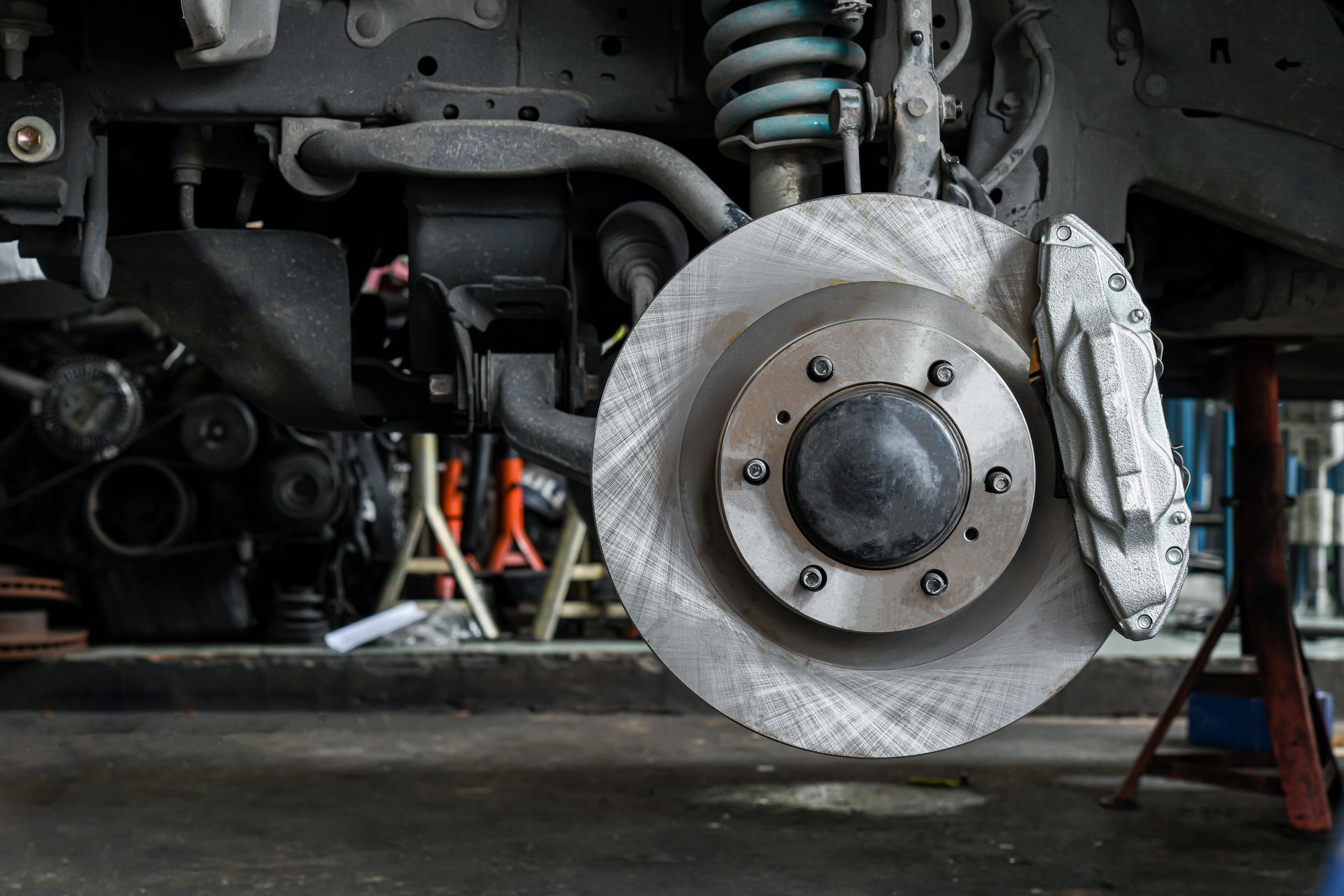
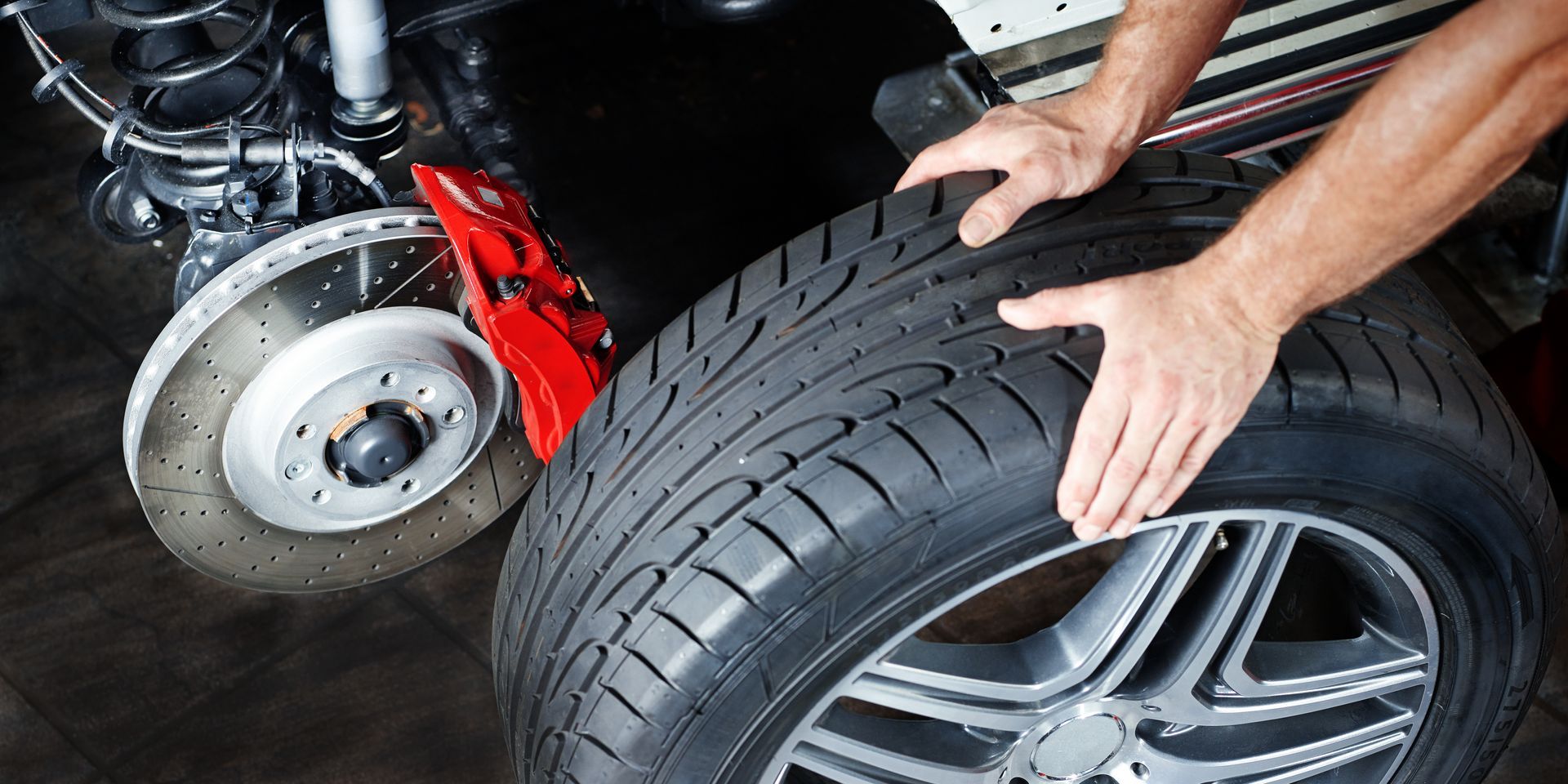
Most drivers don’t think about their brakes—until something feels off. You press the pedal, and your vehicle slows down or stops. Simple. But because your brakes are one of your vehicle’s most important safety systems, keeping them in top shape isn’t optional—it’s smart. Regular brake service helps ensure you can slow down or stop confidently in any situation: dry roads, heavy rain, snow, or slippery surfaces. And let’s be honest—the combo of brakes + surprises rarely ends well. How your brakes work (quick and simple) You’ve probably heard of brake pads, rotors, and calipers: The caliper squeezes the pads The pads press against the rotor That friction slows the vehicle down Some vehicles use drums and brake shoes , but the goal is the same: reliable friction to stop safely. What we check during a brake inspection When you come in, we’ll make sure all braking components are working properly together and meet your manufacturer’s specifications—including the parts you don’t always see: Brake pads/shoes, rotors/drums, calipers Brake fluid condition and hydraulic operation Brake hoses and lines (these can degrade from road salt, debris, and age) Parking brake operation (important on steep inclines and as a backup) Give your brakes a little tender loving care with regular service—and they’ll be there when you need them most. Stop by or contact us anytime to book an appointment! Location: 8304 Fairmount Dr SE, Calgary, AB, T2H 0Y8
Premium Brake Offer Blog | Heritage Auto & Tire Service
January 17, 2025
PROMO CODE: UAP0001-2025 THE OFFER Receive up to a $100 rebate payable in the form of a VISA® prepaid card (“rebate”) when you purchase and have installed qualifying Adaptive One® , NAPA Ultra Premium™, NAPA QE Brake™ or NAPA Premium™ brake pads, rotors and calipers at any participating NAPA AUTOPRO™ Service Centre in Canada. Each customer is eligible to receive a Visa® prepaid card valued up to $100 as set forth in these terms and conditions. OFFER DATE The purchase and installation must be performed between January 1st and March 31st, 2025 (“Offer Date”) at our NAPA AUTOPRO service facility in Canada only. QUALIFYING PRODUCTS AND CLAIM REWARD Adaptive One®, NAPA Ultra Premium™, NAPA QE Brake™ and NAPA Premium™ brake pads and/or brake shoes, brake rotors and/or brake drums and calipers (“Qualifying Products”) purchased and installed within the Offer Date at our NAPA AUTOPRO service facility in Canada qualify for a Visa prepaid card valued at up $100. Limit one rebate per customer vehicle. • Earn a $25 NAPA Visa® prepaid card when replacing either i) the front axle pads and rotors OR ii) rear axle pads/shoes and rotor/drum assemblies. OR • Earn a $50 NAPA Visa® prepaid card when replacing both front axle pads and rotors AND rear axle pads/shoes and rotor/drum assemblies at the same time. PLUS • Earn up to an additional $50 more ($25 for front axle – $25 per rear axle), when replacing sets of brake calipers together with pads and rotors on both the front and rear axles. HOW TO COLLECT THE REBATE After purchase from and installation at our NAPA AUTOPRO™ service centre of Qualifying Products within the Offer Date, the customer needs to: Online submission: Complete a claim submission online at naparebates.ca OR Mail-in submission: Complete an original rebate offer form (“Offer Form”) available at our NAPA AUTOPRO™ service centre in Canada (only) and mail this together with an original or legible copy of their paid service invoice(s) to: Promo Code: : UAP0001-2025 PO BOX 21166 MISSISSAUGA RPO MEADOWVALE, ON L5N 6A2 Completed rebates must be submitted online or postmarked no later than 11:59 PM E.T. April 30th, 2025 to be eligible. Limit of one (1) rebate per customer vehicle. Allow up to 5 – 7 weeks for online submissions and up to 8 – 10 weeks for mail-in submissions to receive your NAPA Visa® prepaid card. This offer is valid only to individual customers; requests from groups, clubs or organizations will not be honoured. NAPA VISA® PREPAID CARD NAPA VISA® prepaid cards will be mailed to a Canadian address only and made payable to and in the name of the Participant listed on the rebate submission. NAPA Visa® prepaid cards are issued by Peoples Trust Company pursuant to license by Visa Int. Trademark of Visa International Service Association and used under license by Peoples Trust Company. No cash access or recurring payments. Card valid for up to 12 months; unused funds will forfeit after the valid thru date. Card terms and conditions apply. See MyPrepaidCenter.com/site/Visa-univ-can. for complete details. CANADIAN RESIDENTS ONLY Open only to legal residents of Canada who are 18 years of age or older. DISCLAIMER NAPA and the Program Administrator Matthew Scott Data Marketing Solutions Inc., (NAPA) are not responsible for rebates that are lost, late, destroyed, stolen, misdirected, incomplete, illegible, inaccurate, damaged, misdirected, postage due or undeliverable mail, nor for misprints or typographical errors, all of which are void. Materials submitted will not be returned. This rebate offer is not valid in combination with any other offers and is non-transferable. NAPA has no obligation to acknowledge, return or issue a rebate in combination with redemption requests not in compliance with all terms and conditions of this rebate offer, except as required by law. Proof of mailing does not constitute proof of receipt/delivery. Offer void where prohibited by law. ELIGIBILITY RESTRICTIONS Reproduction, purchase, sale or trade of Offer Forms is prohibited. NAPA reserves the right to verify identification and validate service invoices. Use of multiple addresses or P.O. boxes to obtain additional rebates is fraud and may result in prosecution. Dealers, distributors and other resellers of NAPA products are not eligible. This is a mail-in/online rebate only and is not redeemable in any stores or by any other means whatsoever. By participating, participants agree to be bound by these terms and conditions and the decisions of NAPA. All decisions of NAPA are final. PRIVACY Personal information gathered by NAPA will be used for the purposes of administering this rebate offer only and/or as otherwise permitted or required by law. Please see NAPA/UAP Inc.’s Privacy Policy at uapinc.com for more information. Stop by or give us a call any time you’d like to book an appointment! Heritage Dr. SE. 8304 Fairmount Dr, SE, Calgary, AB, T2J 7B4  (403) 258-3030 

Winter Checklist blog  | Heritage Auto & Tire Service
April 8, 2024
Winter driving in cold climates brings challenges that warm weather simply doesn’t. A little preparation goes a long way—here are four key things to pay attention to before the temperatures drop. 1) Coolant level & mixture Most people think of coolant as “antifreeze,” but it also keeps your engine from overheating year-round. In winter, it’s crucial that your coolant doesn’t freeze, so you’ll want the level checked and the correct coolant-to-water mix verified. Bonus: coolant also helps transfer heat so your cabin heater works properly. 2) Windshield wipers & washer fluid Visibility matters most when weather is at its worst. Make sure your washer reservoir is filled with winter-rated washer fluid that won’t freeze in the lines—or on contact with your windshield. If you struggle with streaking or ice buildup, winter wiper blades can help. 3) Tire pressure & tread depth Cold temperatures lower tire pressure fast. Keeping your tires inflated to the manufacturer’s recommended PSI improves handling, traction, and tire life. You’ll also want enough tread depth for safe winter driving—having it checked can prevent slipping and longer stopping distances. 4) Proper engine oil  Those oil numbers matter in winter. Using the manufacturer-recommended oil grade helps your engine start easier and stay protected in extreme cold. The wrong oil can increase wear and, in some cases, lead to engine damage. Our Service Advisor can help with the best options for all four items—because the better prepared your vehicle is for snow and cold, the safer you and your family will be. Stop by or give us a call anytime to book an appointment ! Heritage AutoPro Location: 8304 Fairmount Dr SE, Calgary, AB, T2H 0Y8
Cooling System Blog | Heritage Auto & Tire Service
April 3, 2024
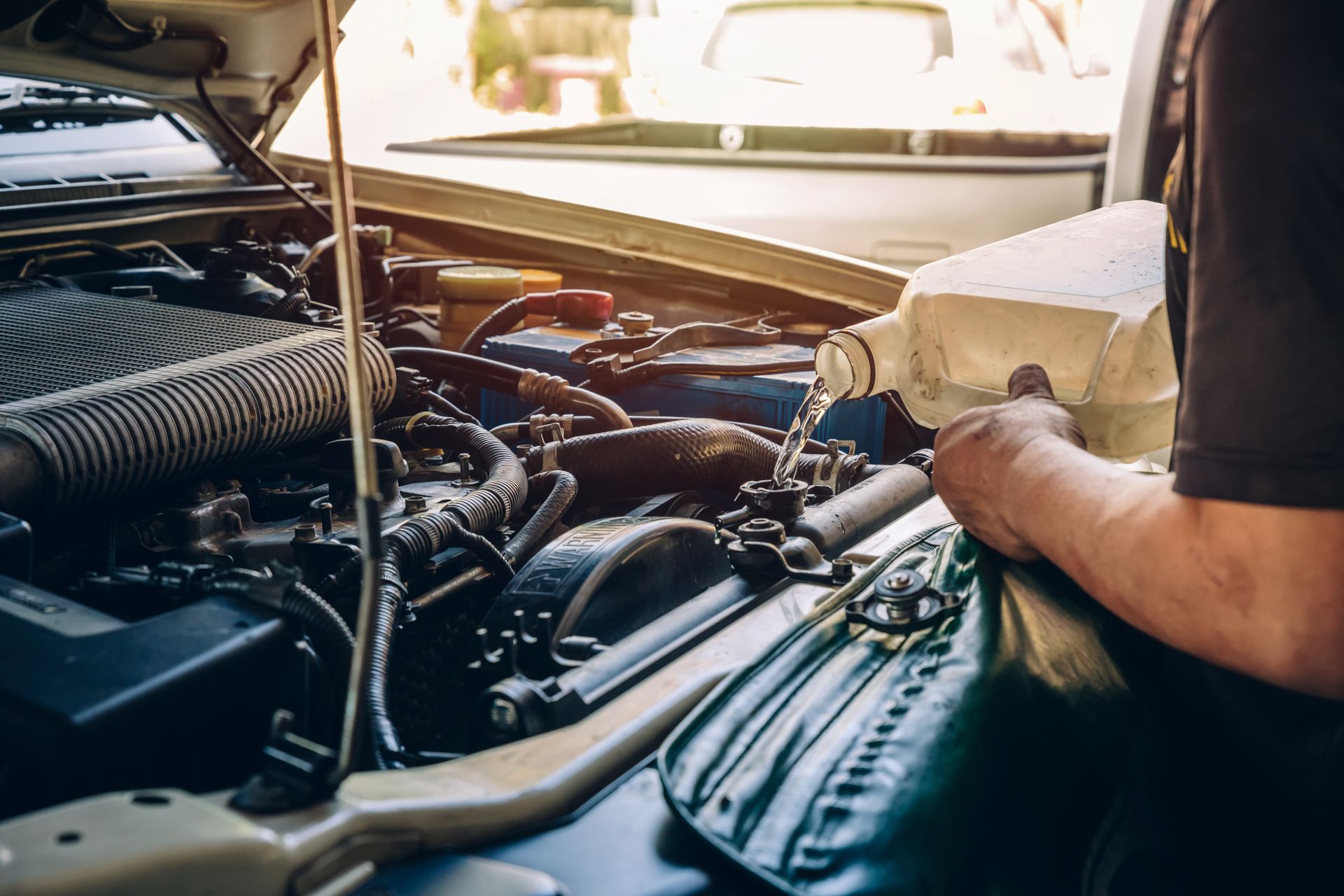
Coolant Repair & Cooling System Service in Calgary: What Drivers Need to Know Your vehicle’s coolant does more than just “prevent freezing.” It’s the fluid that carries heat away from the engine , keeps temperatures stable in all seasons, and even helps provide cabin heat in winter. When the cooling system has a problem—like a leak, weak thermostat, or failing water pump—your engine can overheat quickly and suffer major damage. If you’re smelling coolant, seeing puddles, getting an overheating warning, or losing heat inside the cabin, here’s what it can mean and what to do next. What Is Coolant and Why Is It So Important? Coolant (also called antifreeze) circulates through the engine and radiator to: Preven t overheating Help maintain consistent engine temperature Prevent freezing in winter Protect against internal corrosion and rust Provide heat for your cabin through the heater core A small issue—like a slow leak—can turn into a big repair if it’s ignored. Common Signs You Need Coolant Repair Here are the most common warning signs of a cooling system issue: 1) Engine overheating or temperature gauge running hot If the gauge climbs higher than normal, stop and shut the vehicle off as soon as it’s safe. Overheating can warp engine components and lead to costly damage. 2) Low coolant warning / frequent top-ups If you’re adding coolant often, there’s usually a leak—or the system isn’t holding pressure properly. 3) Sweet smell under the hood or inside the cabin Coolant often smells slightly sweet. If you notice it inside the vehicle, the heater core may be leaking. 4) Puddle under the vehicle (often pink, green, orange, or blue) Coolant comes in different colors depending on the type. A puddle near the front of the vehicle is a common clue. 5) No heat in the cabin during winter A low coolant level or a heater core/circulation issue can cause weak or no cabin heat—especially noticeable in Calgary winters. 6) Visible steam from under the hood Steam can mean coolant is leaking onto a hot engine component. This should be checked immediately. What Causes Coolant Leaks and Cooling System Problems? Cooling systems operate under pressure and heat—over time, parts wear out. Common causes include: Radiator le aks (cracks, corrosion, or damaged end tanks) Coolant hoses that become soft, swollen, cracked, or leaking Thermostat failure (stuck closed = overheating; stuck open = engine runs cold) Water pump leaks (often from the weep hole or gasket) Heater core leaks (coolant smell inside, foggy windows, wet passenger floor) Coolant reservoir / cap failure (can cause pressure loss and coolant loss) Head gask et issues (less common, but more serious—coolant loss with no visible leak) Is It Safe to Drive with a Coolant Leak? Even a “small” leak can become a breakdown. Driving while low on coolant can lead to: Over heating Engine misfires and poor performance Damage to the radiator or water pump In worst cases: engine failure If your temperature warning comes on or the gauge spikes, it’s safer to stop and have it inspected rather than risking major damage. Coolant Repair vs Coolant Flush: What’s the Difference? Coolant Repair (Fixing the problem) This means addressing the root cause, such as: Replacing a hose, clamp, thermostat, radiator, water pump, or coolant reservoir Pressure testing to confirm where coolant is escaping Confirming proper temperature control and circulation Coolant Flush (Maintenance service) A coolant flush replaces old coolant and can help: Restore co rrosion protection Remove contaminants/sludge Maintain pr oper freeze/boil protection A flush does not fix leaks —but it’s often recommended after repairs or at the manufacturer’s interval. How We Diagnose Cooling System Issues To properly diagnose coolant loss, overheating, or no-heat concerns, we typically perform: Visual in spection for leaks and residue Cooling system pressure test Thermostat and fan operation check Radiator condition and flow check Testing for exhaust gases in coolant (if needed) Verifying correct coolant type and mixture Road test to confirm operating temperature stability Why Coolant Type Matters (Don’t Mix Unless You’re Sure) Not all coolant is the same. Using the wrong type—or mixing incompatible coolants—can cause: Sludge formation Reduced corrosion protection Premature component wear Leaks c aused by damaged seals We match coolant to your vehicle’s manufacturer requirements to avoid future problems. Book Coolant Leak Repair / Cooling System Service in Calgary If you’re seeing coolant on the ground, losing heat, topping up often, or noticing higher engine temps, we can help. Catching cooling system issues early can prevent expensive engine damage. Stop by or give us a call any time you’d like to book an appointment! Heritage Dr SE. Location: 8304 Fairmount Dr, SE, Calgary, AB, T2H 0Y8
Transmission blog | Heritage Auto & Tire Service
June 20, 2023
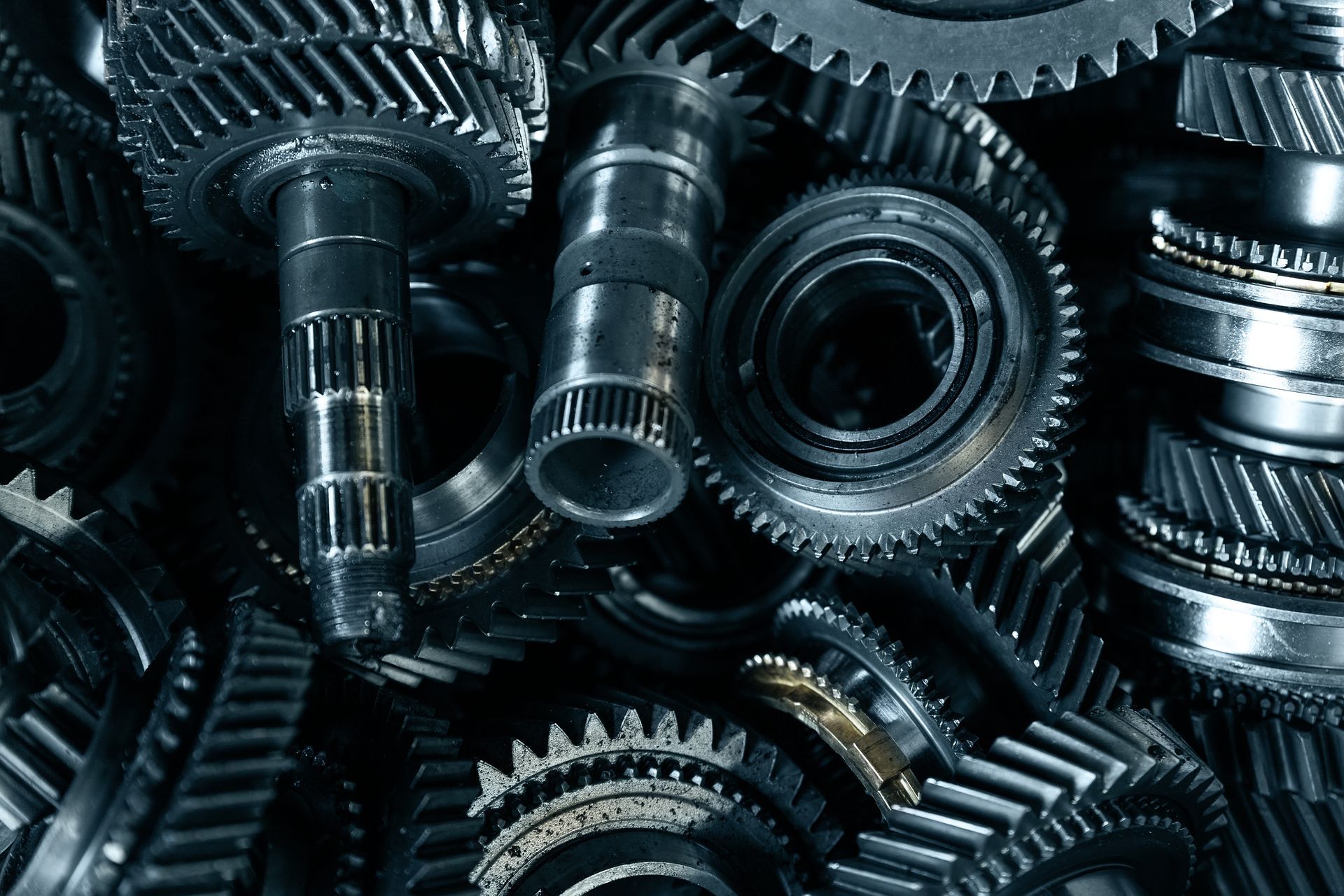
Your transmission is one of the most expensive systems in your vehicle—and it depends on clean, correct transmission fluid to shift smoothly and stay protected. Whether you drive an automatic, CVT, or a truck used for towing, regular transmission service is one of the best ways to prevent slipping, rough shifting, overheating, and premature wear. If you’ve been searching for “transmission service Calgary” or wondering whether you need a fluid change or a flush , this guide breaks it down in plain language. What Does Transmission Fluid Do? Transmission fluid isn’t just “oil.” It helps your transmission by: Lubricatin g internal components Creating hydraulic pressure for shifting Cooling the transmission under load Protecting against corrosion and wear Helping the torque converter and clutch packs operate properly (in many automatics) Over time, heat and friction break down fluid, and contamination can build up—especially in stop-and-go driving, winter conditions, or towing. Signs You Need Transmission Service If you notice any of the following, it’s a good idea to book a transmission inspection and fluid check: Common symptoms: Del ayed engagement when shifting into Drive or Reverse Rough shifting or harsh gear changes Shuddering or vibration during acceleration (often around highway speeds) Slipping (engine revs rise but vehicle doesn’t accelerate normally) Burning smell or dark/brown fluid Transmission warning light or check engine light Flui d leak (reddish/brown spots under the vehicle) Catching issues early can prevent a small problem from turning into a major repair. Transmission Flush vs Drain & Fill: What’s the Difference? This is one of the most common questions we get. Drain & Fill (often the safer choice) A drain & fill removes a portion of the old fluid and replaces it with fresh fluid (some vehicles also include a filter service depending on design). This is commonly recommended when: The v ehicle has higher mileage and service history is unknown Fluid is old but not severely burnt The ma nufacturer specifies a drain/fill procedure Transmission Flush (only when appropriate) A flush replaces a larger portion of the fluid in the system. It can be beneficial when: The fluid is degr aded but the transmission is operating normally The vehicle is maintained on schedule The manufacture r recommends it and the transmission condition supports it Important : A flush is not “better” in every case. The best service depends on fluid condition, mileage, driving habits, and what the manufacturer recommends. How Often Should You Service Your Transmission? There’s no one-size-fits-all interval. It depends on: Vehicle m ake/model and transmission type (automatic, CVT, etc.) Driving conditions (city driving, winter, hills, towing) Manufactu rer requirements A practical guideline many drivers follow: More freque nt service if you tow, do lots of city driving, or drive in extreme temperatures Longer intervals for mostly highway driving—if the manufacturer allows it We recomm end checking your owner’s manual—and if you’re unsure, we can look up the correct specs for your vehicle. Why “Lifetime Fluid” Can Be Misleading Some vehicles are marketed with “lifetime” transmission fluid. In real-world driving, fluid still ages—especially with heat and load. Even if your vehicle doesn’t list a strict interval, servicing the fluid can help reduce wear and maintain smooth shifting long-term. What’s Included in a Proper Transmission Service? A quality service is more than “just changing fluid.” Depending on your vehicle, service may include: Check ing fluid level, color, and odor Verifying the correct fluid type/spec (critical for CVTs and many modern automatics) Inspecting for leaks (pan gasket, cooler lines, seals) Checking for related issues (mounts, driveline vibration, engine performance) Scanning for transmission-related fault codes (when needed) Road t est to confirm shift quality If a transmission is already showing symptoms, testing first helps avoid guessing. Transmission Service for CVT Vehicles (Important Note) CVT transmissions are very sensitive to: Correc t CVT- specific fluid Proper fill procedure and fluid temperature checks Service i nterval compliance Using the wrong fluid or improper procedure can cause drivability problems and expensive damage—so CVT service needs to be done to spec. Book Transmission Service in Calgary If you’re due for maintenance—or you’ve noticed slipping, shuddering, or rough shifting—getting the right transmission service now can save you from bigger repairs later. Need transmission fluid service in Calgary? Book an appointment and we’ll recommend the right service based on your vehicle, fluid condition, and manufacturer requirements. Stop by or give us a call . Heritage Dr SE. Location: 8304 Fairmount Dr, SE, Calgary, AB, T2H 0Y8  (403) 258-3030 
Brake service warning blog | Heritage Auto & Tire Service
May 2, 2023
The post Brake Service Warning Signs: 10 Symptoms You Shouldn’t Ignore appeared first on Heritage Auto Pro & Tire | Auto Repair & Tire Shop in Calgary SE.
Check Engine light blog | Heritage Auto & Tire Service
December 19, 2022
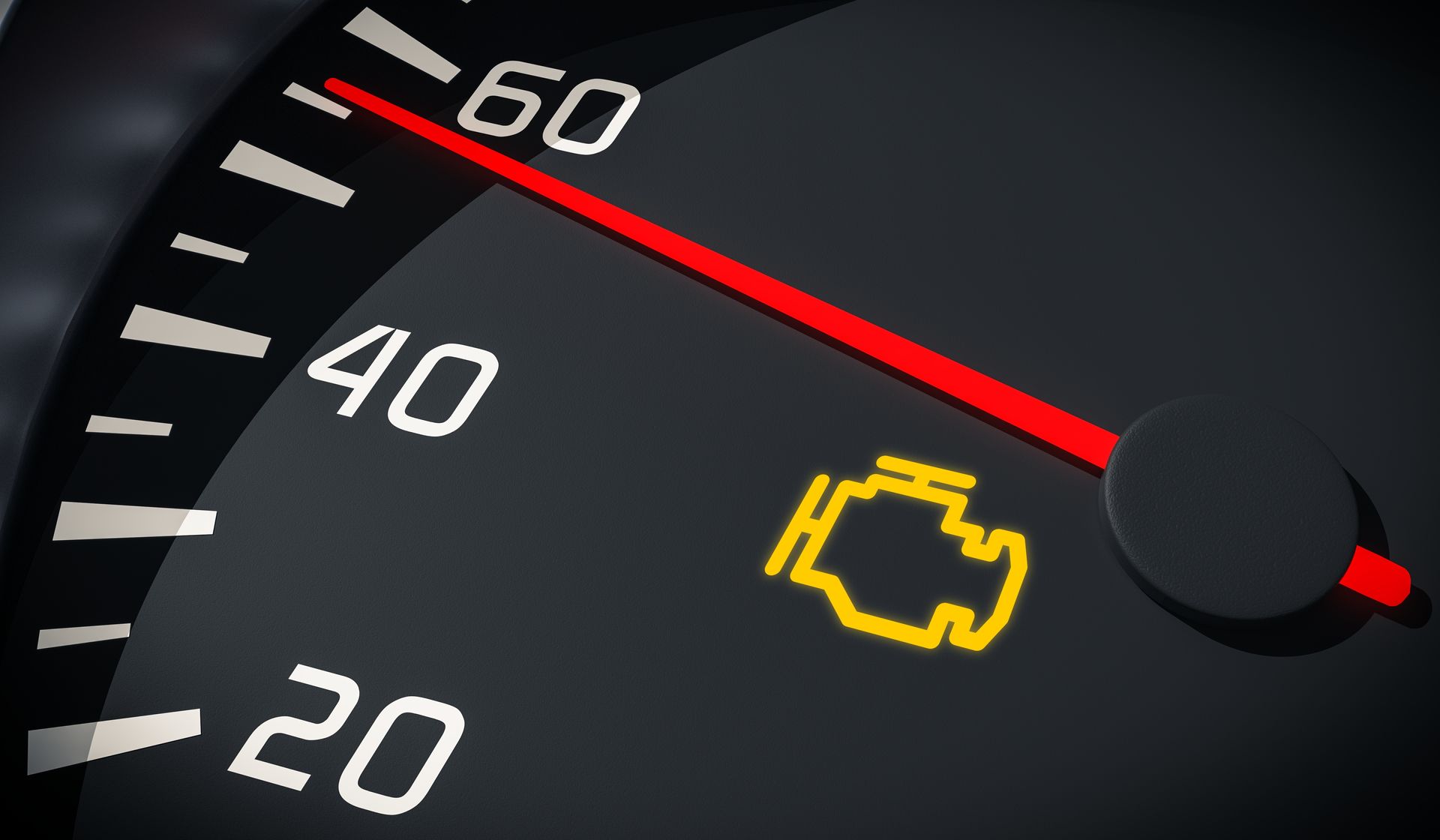
Seeing the check engine light pop up can be stressful—especially when the vehicle seems to drive “fine.” The truth is: that light can mean anything from a loose gas cap to a misfire that can damage your catalytic converter. This guide explains what the check engine light means, when it’s safe to drive, and the most common reasons it comes on , so you know what to do next. First: Is Your Check Engine Light Flashing or Solid? Solid check engine light Usually means a fault was detected, but it may not be an immediate emergency. You should still book a diagnosis soon—especially if you notice changes in performance or fuel economy. Flashing check engine light This often indicates an active misfire that can cause damage (especially to the catalytic converter). Reduce speed, avoid hard acceleration, and get it checked as soon as possible. 10 Common Reasons Your Check Engine Light Turns On 1) Loose or failing gas cap A loose cap can trigger an EVAP (emissions) leak code. It’s one of the simplest causes. What you might notice : usually nothing—maybe a fuel smell. 2) EVAP system leak (small leak code) Even with a tight cap, hoses, purge valves, or vent valves can leak and trigger codes. What you might notice : sometimes a fuel smell; often no symptoms. 3) Faulty oxygen sensor (O2 sensor) O2 sensors help the engine computer adjust the fuel mixture. When they fail, fuel economy can drop and emissions increase. What you might notice : worse gas mileage, occasional roughness. 4) Catalytic converter efficiency issues (common code: P0420) Catalytic converters reduce emissions. Efficiency codes don’t always mean the converter is “bad”—it can also be caused by exhaust leaks, O2 sensor problems, or long-term misfires. What you might notice : sometimes sluggish power or a sulfur smell. 5) Misfire (spark plugs, ignition coils, injectors) Misfires are one of the most important issues to diagnose quickly. What you might notice : shaking at idle, lack of power, flashing check engine light. 6) Vacuum leak / unmetered air Cracked hoses, intake leaks, or PCV issues can cause lean running conditions. What you might notice : rough idle, surging, higher idle RPM. 7) Mass Air Flow (MAF) sensor or intake air issues The MAF helps measure incoming air. If readings are off, the engine may run rich or lean. What you might notice : hesitation, stalling, poor fuel economy. 8) Thermostat or coolant temperature sensor problems If the engine doesn’t reach proper operating temperature, it can run inefficiently and trigger codes. What you might notice : poor heat, low fuel economy, temperature gauge acting unusual. 9) Transmission-related codes (yes, they can trigger the engine light) Many vehicles use the check engine light for powertrain faults—including some transmission issues. What you might notice : harsh shifts, delayed engagement, slipping, or no symptoms at all. 10) Battery/charging system voltage issues Low voltage can confuse sensors and modules, sometimes triggering multiple codes. What you might notice : slow cranking, dim lights, intermittent warnings. Can I Keep Driving with the Check Engine Light On? It depends. Here’s a quick rule of thumb: Usually OK to drive briefly (but book soon) if: Light is so lid Vehicle drives normally No overheati ng, no shaking, no major power loss Stop driving / get checked ASAP if: Light i s flashing Engine is shaking, misfiring, or losing power You smell fuel, burning, or see smoke Temp erature gauge is rising / overheating warning is on Why a “Free Code Scan” Isn’t the Same as a Diagnosis A code points to a system —not always the part . Example: A code may say “O2 sensor” but the real cause could be: An e xhaust leak A vacuum leak A misfire Wiring i ssues A proper diagnosis saves money by fixing the cause , not guessing at parts. What a Proper Check Engine Light Diagnosis Includes A thorough diagnosis often includes: Professional scan fo r codes + freeze-frame data Live data review (fuel trims, misfire counts, sensor readings) Visual inspection (wiring, vacuum hoses, intake/exhaust leaks) Targeted testing (smoke test for EVAP leaks, ignition testing, etc.) Road test (when needed ) to confirm conditions and verify repair How to Prevent the Check Engine Light from Coming Back A few simple habits help: Keep up on spark plugs and scheduled maintenance Fix small drivability issues early (tiny misfires become big problems) Don’t ignore overheating or coolant loss Use the correct fuel and fluids for your vehicle Addre ss warning lights promptly—before they stack into multiple issues Book a Check Engine Light Diagnostic If your check engine light is on, we can scan it, test it properly, and recommend the right fix—without guessing. Call Heritage AutoPro & Tire to book a Check Engine Light Diagnostic. Heritage Dr SE: 8304 Fairmount Dr, SE, Calgary, AB, T2H 0Y8  (403) 258-3030 
Car battery warning signs blog | Heritage Auto & Tire Service
June 23, 2022
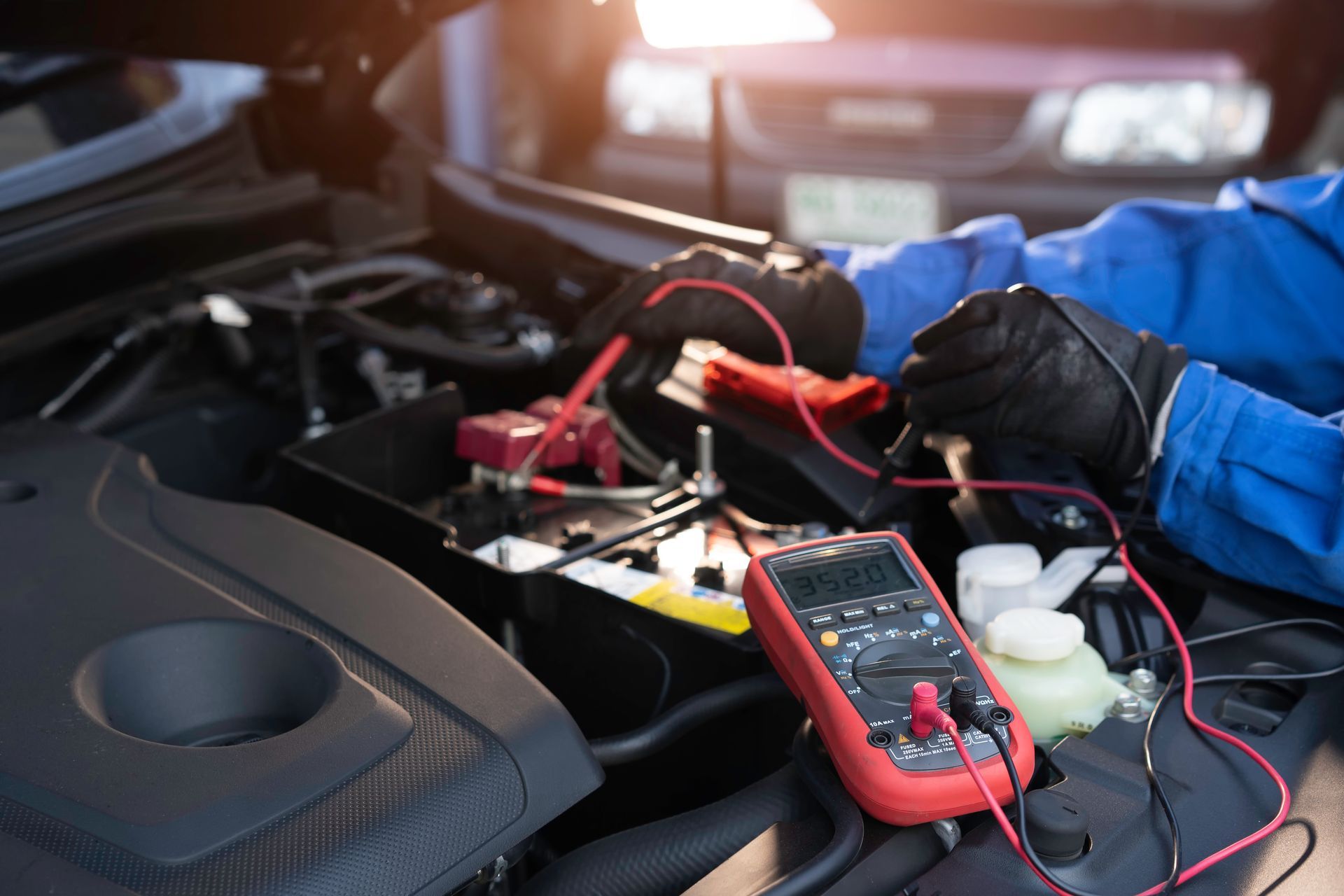
A healthy battery is the difference between “starts every time” and “stuck in a parking lot.” Your car battery doesn’t just start the engine—it also supports your vehicle’s electrical system and works with the alternator to keep everything powered. If you’re noticing slow starts, warning lights, or intermittent electrical glitches, your vehicle may be telling you it’s time for a battery test or battery replacement. Here are the most common signs. First: Battery Problem or Alternator Problem? A weak battery and a failing alternator can feel similar. A quick test can separate them: B attery issue : vehicle struggles to start, but once running, may be fine (for a while) Alte rnator issue : starts (maybe with a boost) but then battery light comes on, lights dim, or it stalls because it’s not charging That’s why testing matters—no guessing. 10 Signs Your Car Battery Is Failing 1) Slow crank when starting If the engine turns over slowly—especially in cold weather—your battery may be losing capacity. 2) Clicking sound when you turn the key A rapid clicking often means there isn’t enough battery power to engage the starter properly (though starter issues can also cause it). 3) You need frequent boosts (or it dies overnight) If you’re jump-starting more than once, the battery may be near the end of its life—or there may be a parasitic draw. 4) Battery warning light is on That light often points to a charging system problem , not just the battery. It can be the alternator, belt, wiring, or battery itself. 5) Headlights dim at idle or brighten when you rev the engine This can indicate low charging output, poor connections, or a weakening battery. 6) Electrical glitches (radio resets, flickering dash lights, windows slow) Modern vehicles are sensitive to voltage. A weak battery can cause odd, intermittent issues. 7) Corrosion on battery terminals Blue/white buildup on terminals can create resistance and prevent proper charging and starting. 8) Swollen or bloated battery case Heat, overcharging, or internal battery failure can cause the case to swell. Replace it—don’t wait. 9) Rotten egg smell near the battery A sulfur smell can indicate the battery is venting or failing internally. Have it inspected immediately. 10) Your battery is “old” Most batteries don’t fail on a schedule, but age matters. If your battery is several years old, testing it proactively is smart—especially before winter. Can I Keep Driving with a Weak Battery? Usually okay short-term if the vehicle starts reliably and no warning light is on—but it can fail suddenly. Get it checked ASAP if: it’s slo w cranking regularly you’re needing boosts the battery light is on you sm ell sulfur or see swelling A battery failure is inconvenient—charging system failures can leave you stranded mid-drive. What a Proper Battery Test Includes A real battery/starting/charging test typically checks: Batter y state of health (capacity) Battery state of charge Starter draw (when needed) Alternator charging voltage/output Terminal and cable condition (corrosion, loose connections) Syst em voltage under load (lights, blower, rear defrost, etc.) This helps confirm whether you need: a batt ery replacement terminal service/cable repair alternator repair or a pa rasitic draw diagnosis How to Make Your Battery Last Longer A few simple habits help: Clean and tighten battery terminals Avoid leaving accessories on with engine off If the car sits, drive it regularly or use a maintainer Fix charging issues early (over/under charging shortens battery life) Test b efore winter—cold weather reduces battery performance Book a Battery Test / Battery Replacement If your car is slow to start, needs boosts, or your battery light is on, we can test your battery and charging system and recommend the right fix—no guessing. Location: 8304 Fairmount Dr SE, Calgary, AB, T2H 0Y8

Shock and struts blog | Heritage Auto & Tire Service
May 10, 2022
Your shocks and struts do more than make your ride comfortable. They help your tires stay planted on the road, improve braking stability, and keep your vehicle controlled over bumps, potholes, and turns. When shocks or struts wear out, your vehicle may still “drive,” but it won’t handle or stop as safely—and it can start wearing tires fast. Here are 10 common signs your car, SUV, or truck may need shock or strut replacement. First: What’s the Difference Between Shocks and Struts? Sho cks (shock absorbers) : control bouncing and body movement. Stru ts : combine a shock absorber with structural suspension parts and often support vehicle weight and alignment geometry. Many vehicles have struts in the front and shocks in the rear—but it varies by model. 10 Signs Your Shocks or Struts May Be Worn 1) Your vehicle bounces excessively over bumps If your car keeps bouncing after hitting a bump, your shocks/struts may not be controlling spring movement properly. Why it matters : less control and longer stopping distances on rough roads. 2) Nose-diving when braking If the front end dips hard during braking, worn struts/shocks can contribute to weight transfer issues. Why it matters : stability during emergency stops can be reduced. 3) Squatting in the rear during acceleration If the rear end drops noticeably when accelerating (especially in trucks/SUVs), worn rear shocks can be part of the issue. 4) Vehicle feels “floaty” or unstable at highway speeds A drifting, floating, or “wandering” feeling often shows up when dampers are weak. Why it matters : crosswinds, ruts, and lane changes feel less predictable. 5) Clunking or knocking noises over bumps Worn struts, mounts, shock bushings, or related suspension components can create clunks—especially on potholes or speed bumps. Why it matters : noise often means looseness, wear, or movement that shouldn’t be there. 6) Uneven tire wear (cupping/scalloping) Bad shocks/struts can cause tires to “hop” slightly, creating cupped or scalloped wear patterns. Why it matters : tires get noisy, traction drops, and you may need tires sooner than expected. 7) Steering feels less responsive (or you need constant corrections) Worn front struts can reduce steering stability, especially on rough roads. 8) Vehicle sways or leans more in corners If your vehicle leans more than it used to, shocks/struts may not be controlling body roll properly (though sway bar links/bushings can also contribute). 9) One corner sits lower or looks uneven A sagging stance can mean spring issues (not always the strut itself), but it’s still a suspension warning sign worth checking. 10) Visible oil leak on the shock or strut body If you see oily residue on the strut/shock, it may be leaking internally. Why it matters: leaking dampers lose performance and typically need replacement. Is It Safe to Drive with Worn Shocks or Struts? Often it’s “driveable,” but safety and control can be reduced—especially in emergency maneuvers or on wet/snowy roads. Worn dampers can cause: Longe r stopping distance Reduced traction over bumps Faster tire wear Less st able handling and lane changes If you’re noticing bouncing, clunking, or uneven tire wear, it’s best to inspect sooner than later. Do You Need an Alignment After Struts? Often, yes—especially after front strut replacement. Struts are part of the suspension geometry, and replacing them can affect alignment angles. A proper alignment helps: Preve nt uneven tire wear Improve steering feel Keep t he vehicle tracking straight (Rear shocks typically don’t affect alignment as much, depending on design.) What’s Included in a Suspension Inspection? A proper check usually includes: Road test for bounce, noise, and handling Inspecting shocks/struts for leaks and wear Checking mounts, bushings, sway bar links, ball joints, tie rods, and control arm bushings Inspecting tire wear patterns Measuring rid e height (when needed) Suspension symptoms can overlap, so diagnosis matters. Book Shocks and Struts Service If your vehicle feels bouncy, unstable, noisy over bumps, or you’re seeing uneven tire wear, book a suspension inspection. We’ll confirm whether shocks/struts are the issue and recommend the best repair plan. Location: 8304 Fairmount Dr SE, Calgary, AB, T2H 0Y8  (403) 258-3030 
Show More