

Learn what an Alberta Out of Province Inspection checks, including brakes, tires, lights, steering, glass, safety systems, and JDM vehicle requirements in Calgary.
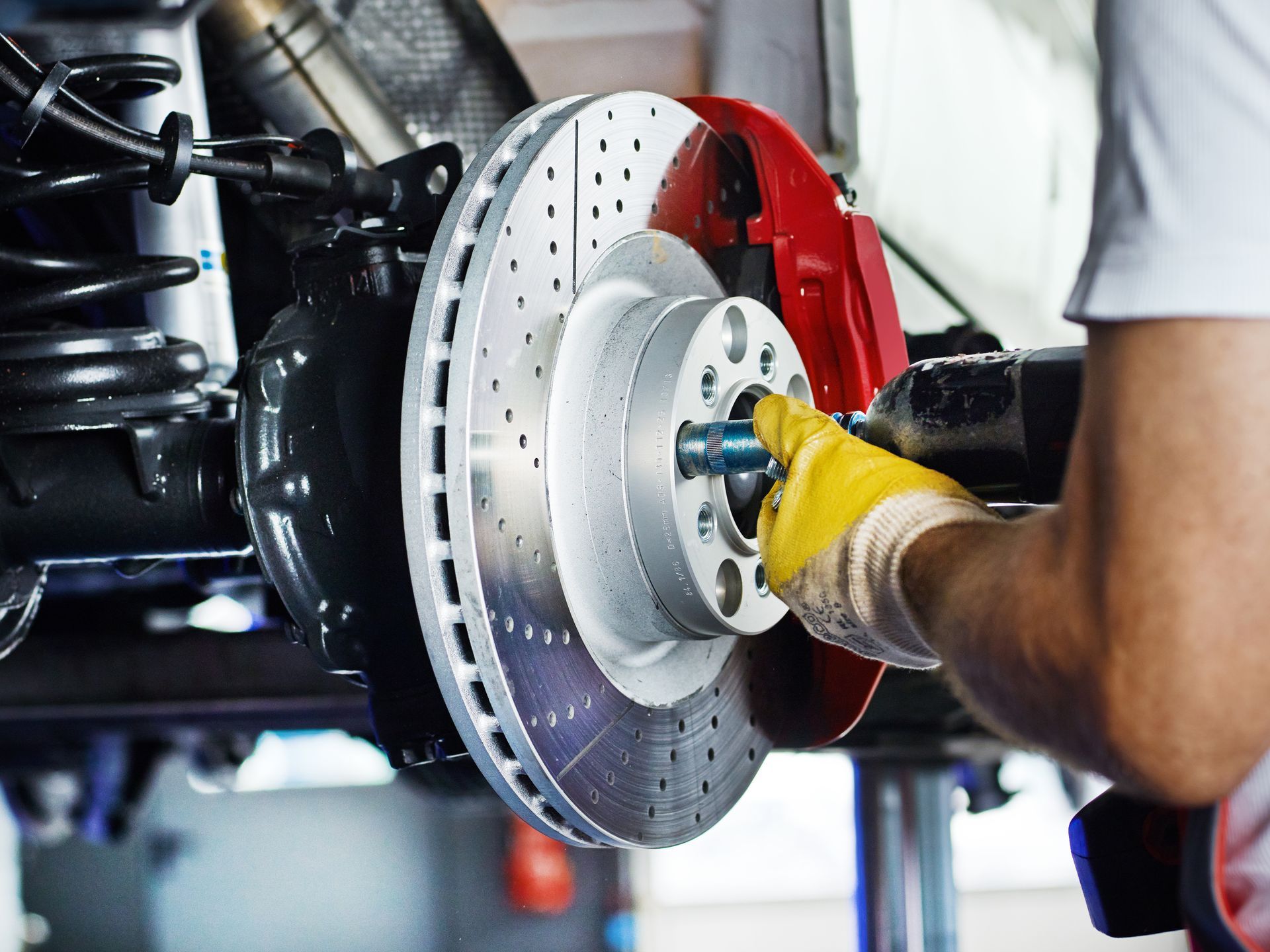
If you’re hearing squealing, grinding, scraping, clicking, or vibration, we can measure everything, show you what’s worn, and recommend the best next step.
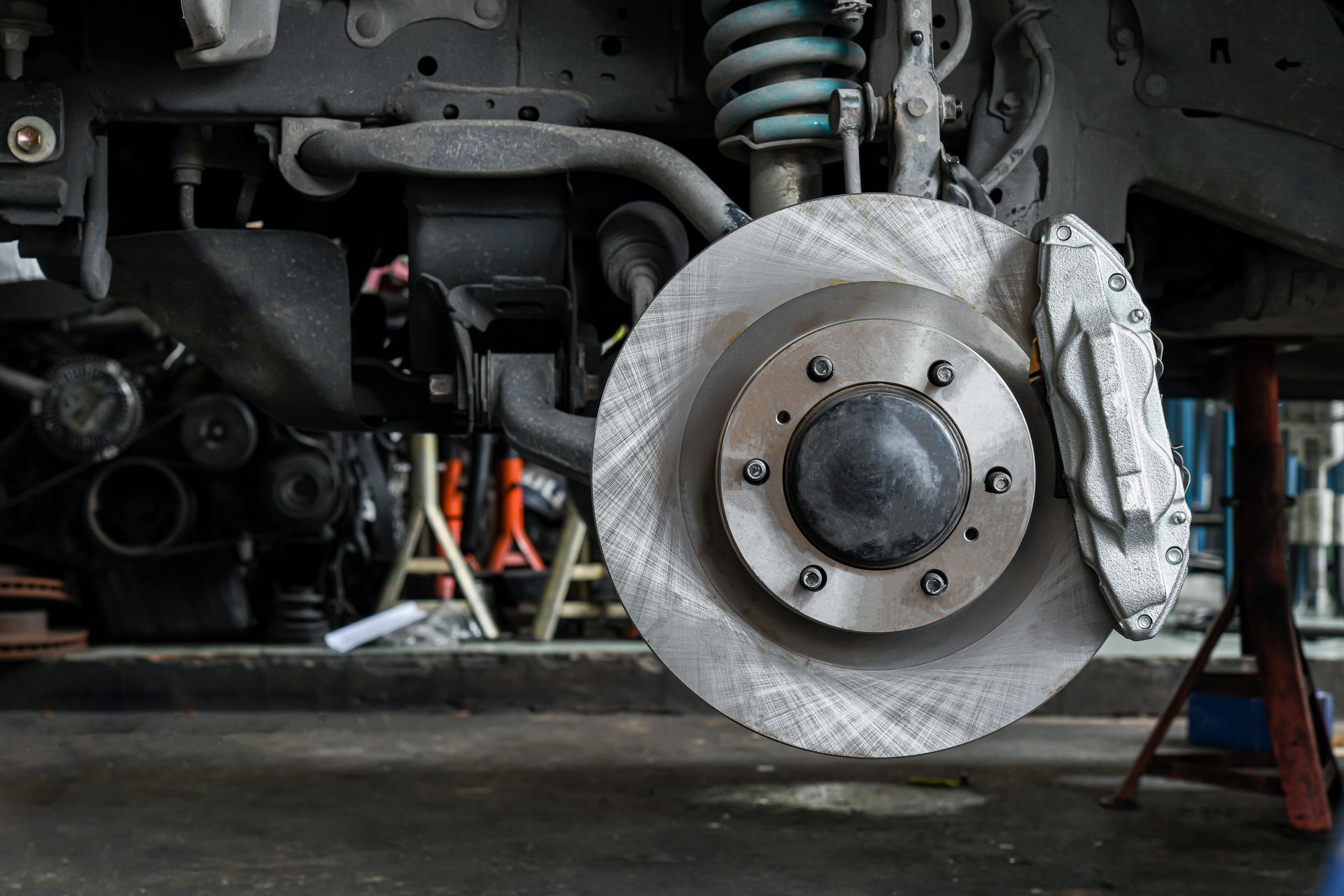
Give your brakes a little tender loving care with regular service—and they’ll be there when you need them most.
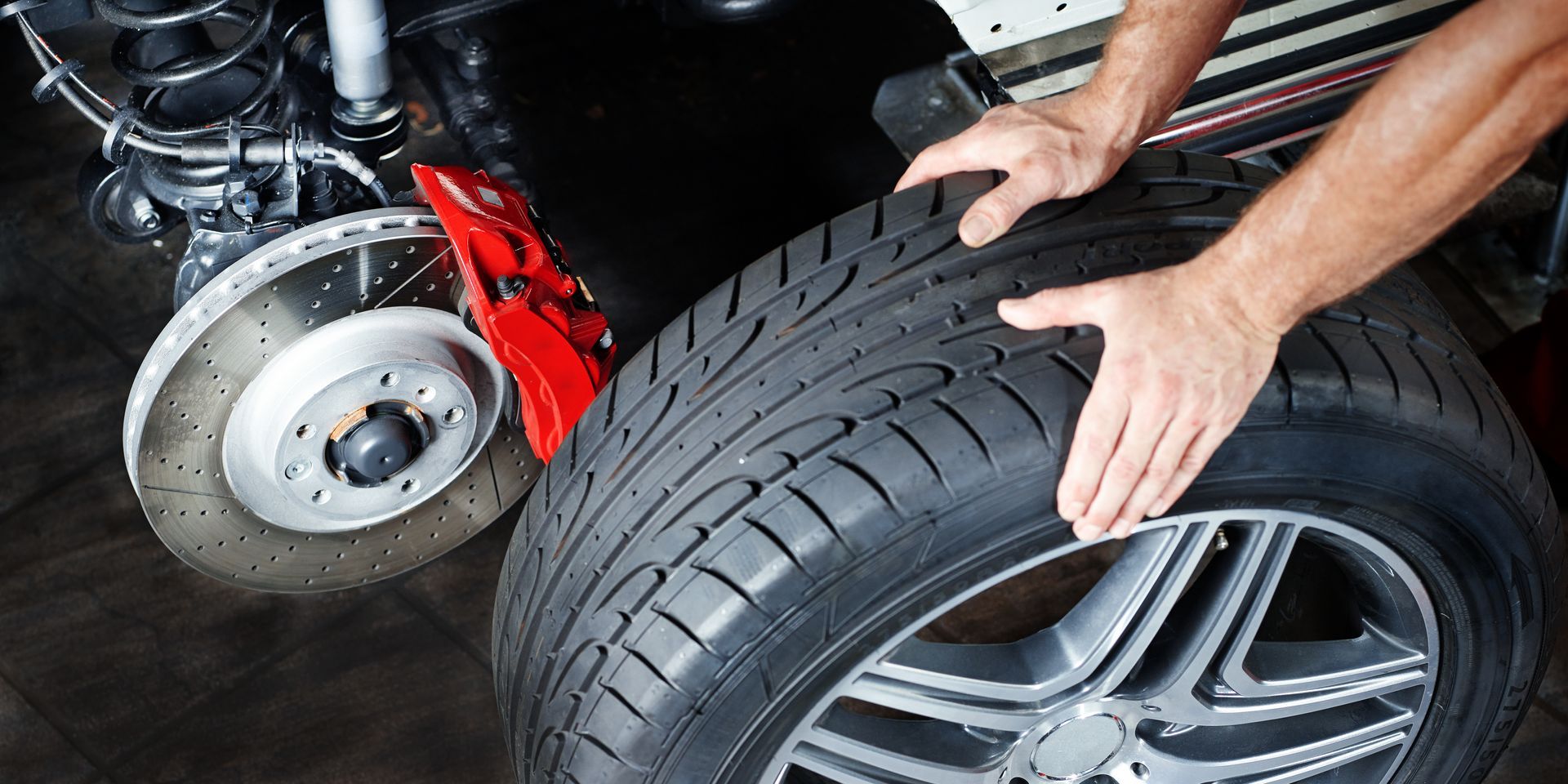
PROMO CODE: UAP0001-2025 THE OFFER Receive up to a $100 rebate payable in the form of a VISA® prepaid card (“rebate”) when you purchase and have installed qualifying Adaptive One® , NAPA Ultra Premium™, NAPA QE Brake™ or NAPA Premium™ brake pads, rotors and calipers at any participating NAPA AUTOPRO™ Service Centre in Canada. Each customer is eligible to receive a Visa® prepaid card valued up to $100 as set forth in these terms and conditions. OFFER DATE The purchase and installation must be performed between January 1st and March 31st, 2025 (“Offer Date”) at our NAPA AUTOPRO service facility in Canada only. QUALIFYING PRODUCTS AND CLAIM REWARD Adaptive One®, NAPA Ultra Premium™, NAPA QE Brake™ and NAPA Premium™ brake pads and/or brake shoes, brake rotors and/or brake drums and calipers (“Qualifying Products”) purchased and installed within the Offer Date at our NAPA AUTOPRO service facility in Canada qualify for a Visa prepaid card valued at up $100. Limit one rebate per customer vehicle. • Earn a $25 NAPA Visa® prepaid card when replacing either i) the front axle pads and rotors OR ii) rear axle pads/shoes and rotor/drum assemblies. OR • Earn a $50 NAPA Visa® prepaid card when replacing both front axle pads and rotors AND rear axle pads/shoes and rotor/drum assemblies at the same time. PLUS • Earn up to an additional $50 more ($25 for front axle – $25 per rear axle), when replacing sets of brake calipers together with pads and rotors on both the front and rear axles. HOW TO COLLECT THE REBATE After purchase from and installation at our NAPA AUTOPRO™ service centre of Qualifying Products within the Offer Date, the customer needs to: Online submission: Complete a claim submission online at naparebates.ca OR Mail-in submission: Complete an original rebate offer form (“Offer Form”) available at our NAPA AUTOPRO™ service centre in Canada (only) and mail this together with an original or legible copy of their paid service invoice(s) to: Promo Code: : UAP0001-2025 PO BOX 21166 MISSISSAUGA RPO MEADOWVALE, ON L5N 6A2 Completed rebates must be submitted online or postmarked no later than 11:59 PM E.T. April 30th, 2025 to be eligible. Limit of one (1) rebate per customer vehicle. Allow up to 5 – 7 weeks for online submissions and up to 8 – 10 weeks for mail-in submissions to receive your NAPA Visa® prepaid card. This offer is valid only to individual customers; requests from groups, clubs or organizations will not be honoured. NAPA VISA® PREPAID CARD NAPA VISA® prepaid cards will be mailed to a Canadian address only and made payable to and in the name of the Participant listed on the rebate submission. NAPA Visa® prepaid cards are issued by Peoples Trust Company pursuant to license by Visa Int. Trademark of Visa International Service Association and used under license by Peoples Trust Company. No cash access or recurring payments. Card valid for up to 12 months; unused funds will forfeit after the valid thru date. Card terms and conditions apply. See MyPrepaidCenter.com/site/Visa-univ-can. for complete details. CANADIAN RESIDENTS ONLY Open only to legal residents of Canada who are 18 years of age or older. DISCLAIMER NAPA and the Program Administrator Matthew Scott Data Marketing Solutions Inc., (NAPA) are not responsible for rebates that are lost, late, destroyed, stolen, misdirected, incomplete, illegible, inaccurate, damaged, misdirected, postage due or undeliverable mail, nor for misprints or typographical errors, all of which are void. Materials submitted will not be returned. This rebate offer is not valid in combination with any other offers and is non-transferable. NAPA has no obligation to acknowledge, return or issue a rebate in combination with redemption requests not in compliance with all terms and conditions of this rebate offer, except as required by law. Proof of mailing does not constitute proof of receipt/delivery. Offer void where prohibited by law. ELIGIBILITY RESTRICTIONS Reproduction, purchase, sale or trade of Offer Forms is prohibited. NAPA reserves the right to verify identification and validate service invoices. Use of multiple addresses or P.O. boxes to obtain additional rebates is fraud and may result in prosecution. Dealers, distributors and other resellers of NAPA products are not eligible. This is a mail-in/online rebate only and is not redeemable in any stores or by any other means whatsoever. By participating, participants agree to be bound by these terms and conditions and the decisions of NAPA. All decisions of NAPA are final. PRIVACY Personal information gathered by NAPA will be used for the purposes of administering this rebate offer only and/or as otherwise permitted or required by law. Please see NAPA/UAP Inc.’s Privacy Policy at uapinc.com for more information. Stop by or give us a call any time you’d like to book an appointment! Heritage Dr. SE. 8304 Fairmount Dr, SE, Calgary, AB, T2J 7B4 (403) 258-3030

Winter driving in cold climates brings challenges that warm weather simply doesn’t. A little preparation goes a long way—here are four key things to pay attention to before the temperatures drop.

Ignoring a worn U-joint can lead to bigger (and more expensive) driveline damage. Here’s what a U-joint does, how to spot the warning signs early, and when it’s time to book a repair in Calgary.
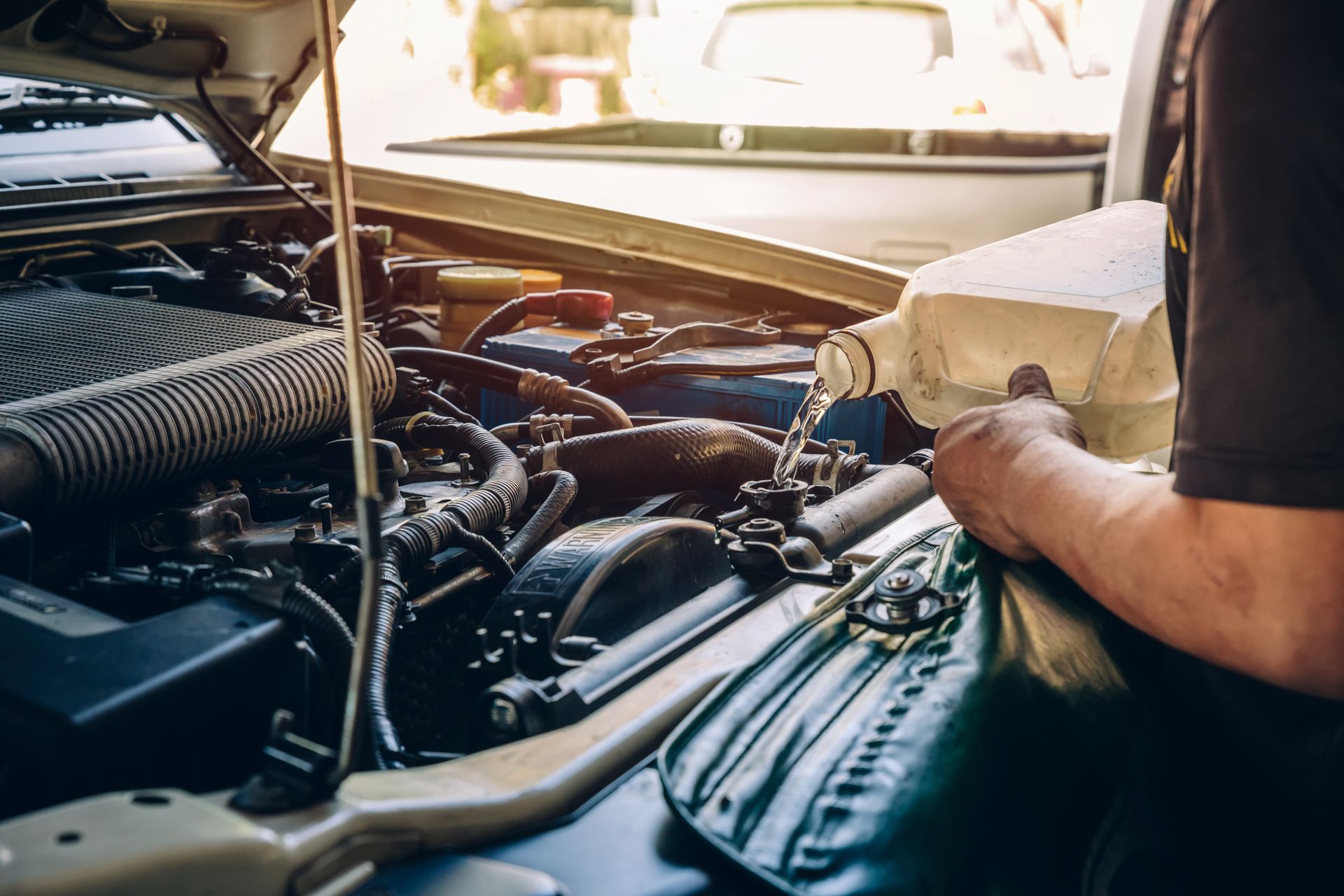
If you’re smelling coolant, seeing puddles, getting an overheating warning, or losing heat inside the cabin, here’s what it can mean and what to do next.

If you’ve been searching for “transmission service Calgary” or wondering whether you need a fluid change or a flush, this guide breaks it down in plain language.
Here are 10 common brake warning signs that mean it’s time to book a brake inspection or brake service.