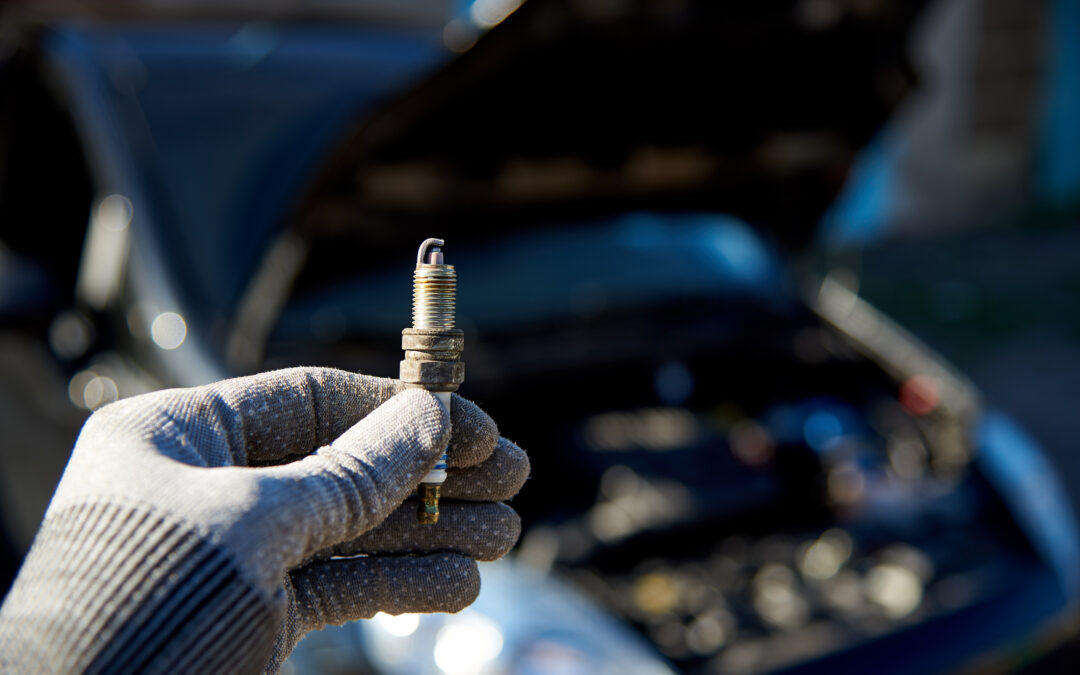
Spark plugs are small parts with a big job: they ignite the air-fuel mixture in your engine so it can run smoothly and efficiently. When spark plugs wear out, performance drops—and in many cases the vehicle starts misfiring, which can damage other components if...
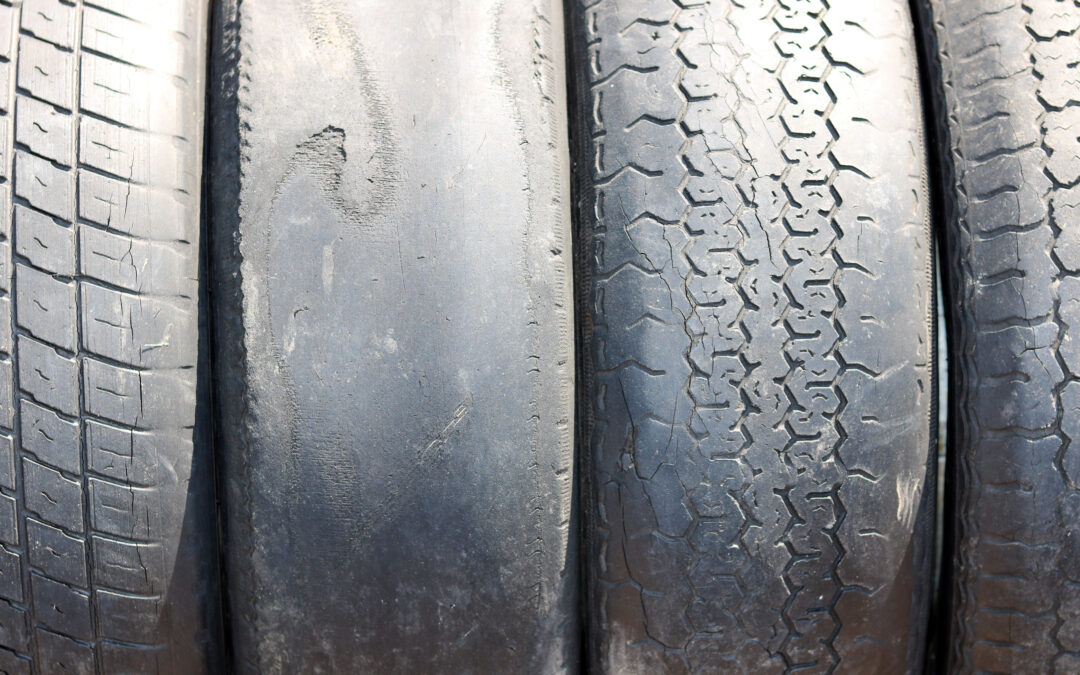
Your tires are the only part of your vehicle that actually touches the road. Good tread depth helps your tires grip the surface, push water away, and improve braking—especially in rain, snow, and slushy winter conditions. If you’re wondering how much tread is left,...
If your vehicle is front-wheel drive (or many AWD vehicles), it uses CV axles (constant velocity axles) to transfer power from the transmission to the wheels while allowing the suspension and steering to move. CV axles are built to handle changing angles—but when a CV...
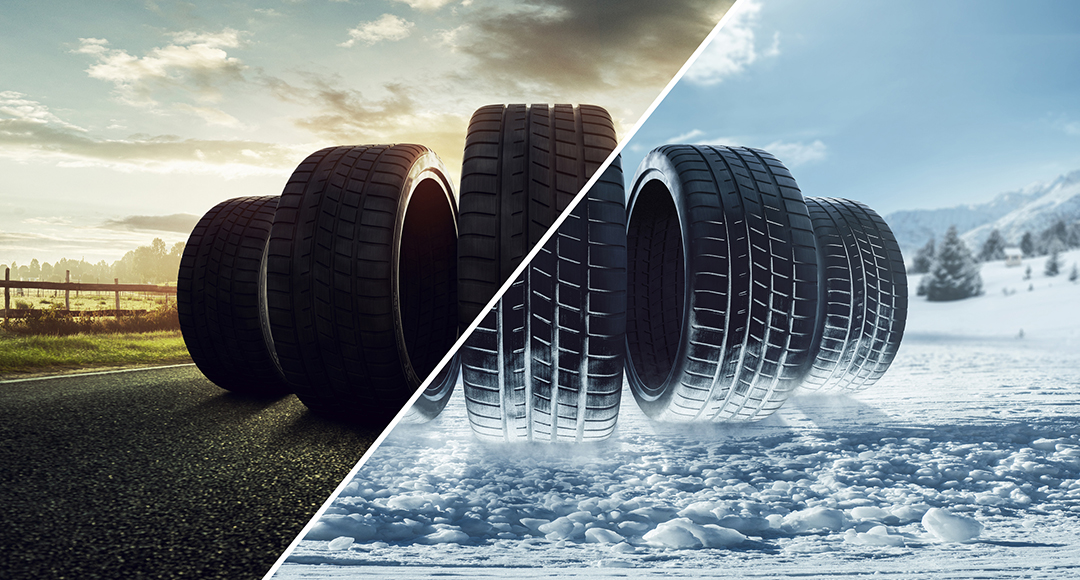
Not all tires behave the same when temperatures drop. The biggest reason is rubber compound—the recipe of rubber and additives that determines how flexible a tire stays in cold weather. In Calgary, where winter conditions can change fast, choosing the right tire type...
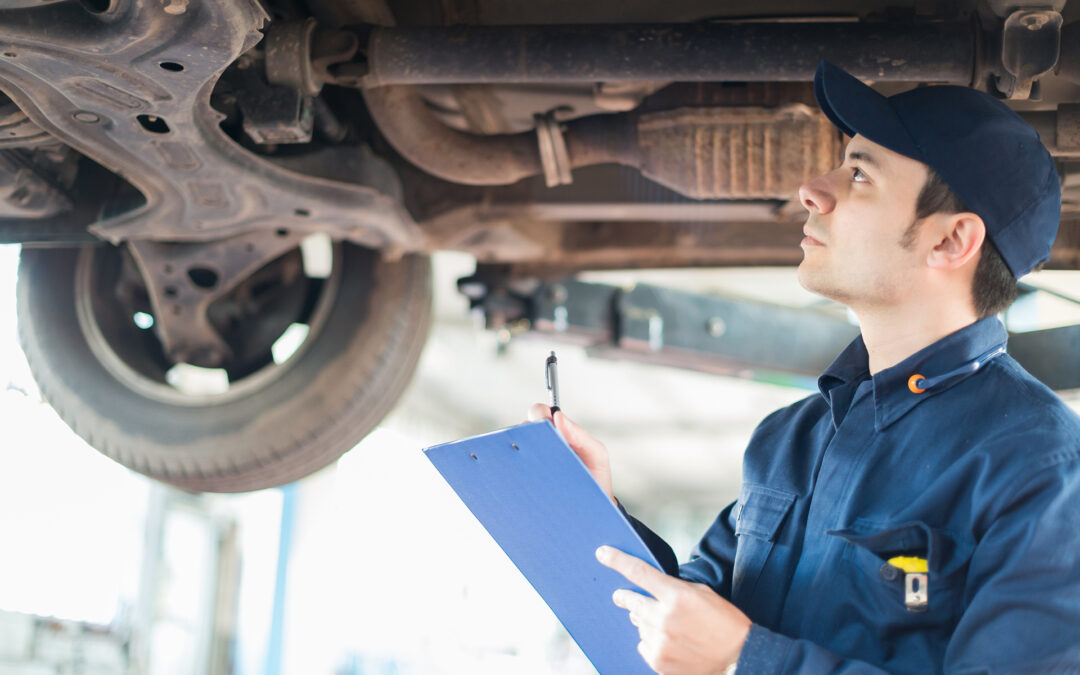
A lot of vehicle problems don’t start with a loud noise or a warning light. They start quietly—fluids slowly breaking down, parts wearing little by little, tires losing traction, and batteries getting weaker. Regular maintenance is how you catch those issues early,...
Most drivers only think about tires when they get a flat—or when winter hits. But your tires are your vehicle’s only contact with the road, and even small issues like low pressure or low tread can lead to longer stopping distances, poor traction, and uneven wear. A...