
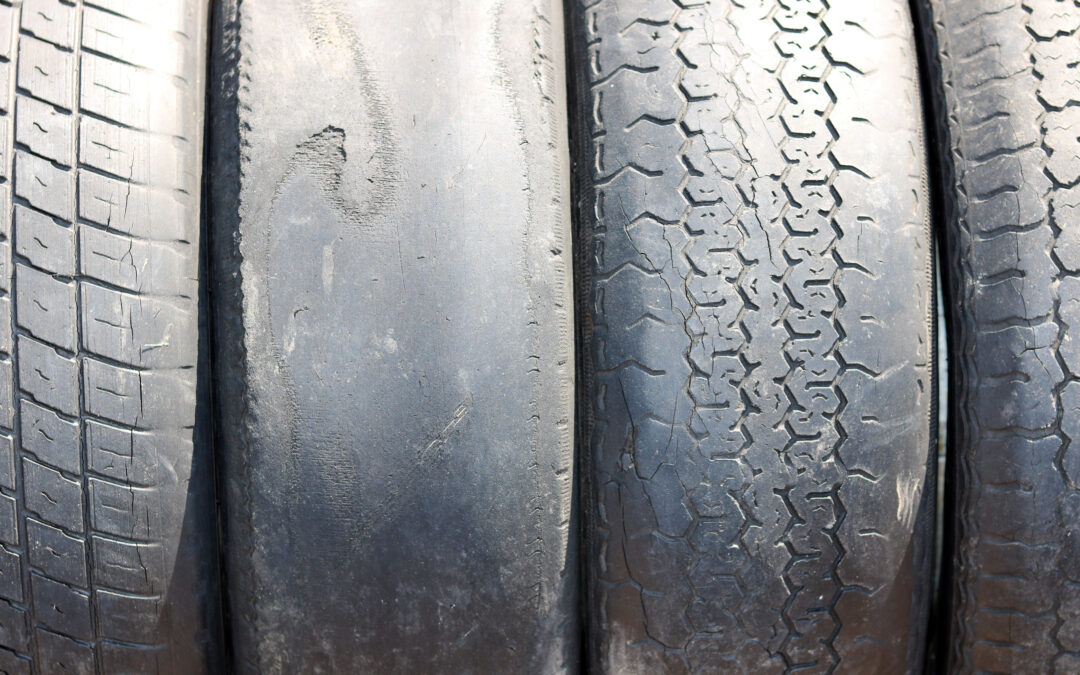
Your tires are the only part of your vehicle that actually touches the road. Good tread depth helps your tires grip the surface, push water away, and improve braking—especially in rain, snow, and slushy winter conditions.
If you’re wondering how much tread is left, whether your tires are still safe, or why your tires are wearing unevenly, this guide breaks it down in plain language.
What Is Tire Tread (and Why Does It Matter)?
Tire tread is the patterned rubber on the surface of the tire. It helps:
-
Maintain traction for acceleration and braking
-
Reduce hydroplaning by channeling water away
-
Improve control in snow and wet conditions
-
Keep stopping distances shorter
When tread gets low, traction drops—often faster than people expect.
How to Check Tire Tread Depth (3 Easy Ways)
1) The “wear bars” on the tire
Most tires have built-in wear bars across the tread grooves. When the tread is level with the bars, the tire is at the minimum legal limit.
2) A tread depth gauge (most accurate)
A simple gauge gives a clear measurement. Checking a few spots across the tire helps reveal uneven wear.
3) The coin test (quick check)
It’s not as accurate as a gauge, but it’s a fast way to spot very low tread.
What Tread Depth Is Considered “Good” vs “Replace Soon”?
Tread depth is usually measured in 32nds of an inch (or millimetres). Here’s a practical way to think about it:
-
New tires: often around 10/32” to 12/32”
-
Replace soon: around 4/32” (traction in wet/snow can drop noticeably)
-
Minimum legal tread: around 2/32” (very poor wet performance)
Winter driving tip: Even if a tire is “legal,” low tread can be unsafe in snow and slush. More tread = more grip.
8 Signs Your Tires Need Replacement (Even If Tread Looks “Okay”)
1) Uneven tire wear
If one edge is worn more than the other, it often points to alignment or suspension issues.
2) Vibration while driving
Could be balance, tire defects, or uneven wear (cupping).
3) Cracks / dry rot on the sidewall
Aging rubber can crack and weaken.
4) Bulges or bubbles
A bulge can mean internal damage—replace the tire.
5) Frequent air loss
Slow leaks can come from punctures, valve stems, or bead leaks.
6) Tires are noisy (humming/roaring)
Cupping or uneven wear can make tires loud.
7) Traction feels worse in rain
Hydroplaning risk increases as tread decreases.
8) Tires are old
Even with tread left, older tires can harden and lose grip.
Why Is My Tire Tread Wearing Unevenly?
Uneven wear is common—and it usually has a cause. The most common culprits are:
-
Wheel alignment out of spec (inside or outside edges worn)
-
Worn suspension parts (ball joints, tie rods, control arm bushings)
-
Incorrect tire pressure
-
Underinflated: wears the edges more
-
Overinflated: wears the center more
-
-
Wheel balance problems
-
Lack of rotations
If you replace tires without fixing the cause, the new set can wear out early too.
How Often Should You Rotate Tires?
Rotations help tires wear evenly and last longer. A simple habit:
-
Rotate on a regular schedule (especially if you do city driving)
-
Rotate sooner if you notice uneven wear starting
Tire Tread and Safety: Why It Affects Braking
Low tread reduces your tire’s ability to grip the road. That can lead to:
-
Longer stopping distances
-
More slipping in wet conditions
-
Reduced control in snow/slush
-
Higher hydroplaning risk
Good brakes can’t help much if the tires don’t have traction.
Book a Tire Tread Check
Not sure if your tires are safe? We can measure your tread depth, check wear patterns, and recommend the best next step—whether that’s rotation, alignment, or replacement.
Call 403-258-3030 to book an appointment.
Location:
8304 Fairmount Dr SE
Calgary, AB, T2H 0Y8