
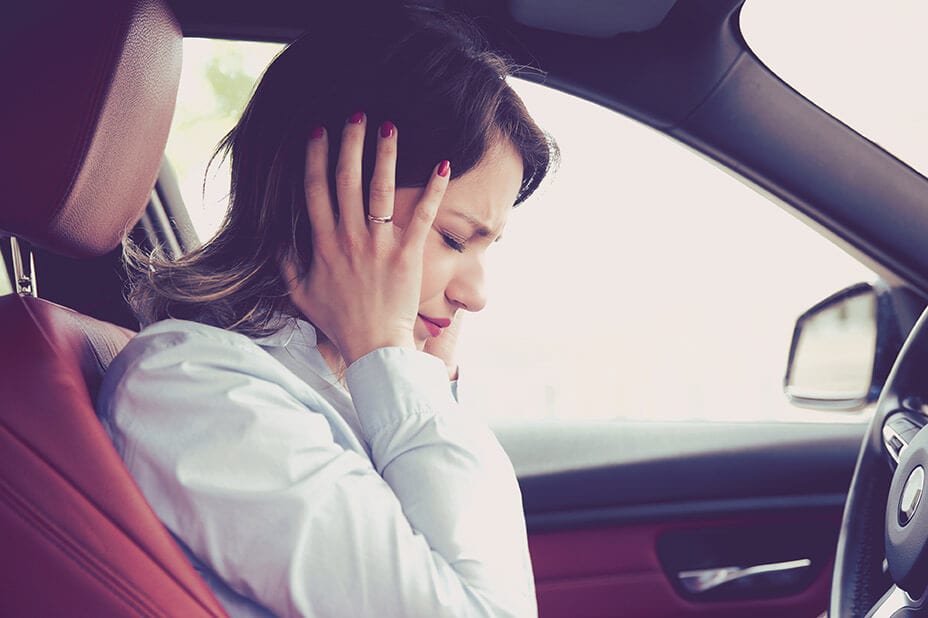
Brake noise is one of the most common concerns drivers have—and for good reason. Sometimes it’s normal (like light rust after rain). Other times it’s your brakes warning you that something is worn, stuck, or unsafe.
Here’s a simple guide to the most common brake noises, what they usually mean, and what you should do next.
1) Squealing or High-Pitched Screech
What it usually means
-
Brake pad wear indicator is touching the rotor (a built-in “warning squeal”)
-
Pads are low or the pad material is hard/glazed
-
Brake hardware is dry or binding
Is it trouble?
Often yes—especially if it’s constant. It usually means it’s time to measure pads and check rotors before it turns into grinding.
2) Grinding (Metal-on-Metal)
What it usually means
-
Pads are worn out and the metal backing plate is contacting the rotor
-
Rotor damage is already happening
Is it trouble?
Yes—urgent. Grinding can destroy rotors quickly and increase stopping distance. Book an inspection ASAP and avoid unnecessary driving.
3) Scraping or Shhhh Sound (Not Always When Braking)
What it usually means
-
A small rock/debris caught between pad and rotor
-
Bent dust shield/backing plate touching the rotor (common after potholes)
-
Rust ridge on rotor edge contacting something
Is it trouble?
Sometimes minor, but it should be checked—especially if it’s constant or gets worse.
4) Clicking When Braking or Turning
What it usually means
-
Loose brake hardware (clips/anti-rattle parts)
-
Caliper movement from worn hardware
-
Sometimes it’s not brakes at all (CV axles or suspension can mimic brake noises)
Is it trouble?
Not always dangerous, but it’s a sign something may be loose or worn and worth inspecting.
5) Thumping or Pulsation When Braking
What it usually means
-
Rotor issues (warped/uneven thickness)
-
Sticking caliper causing uneven braking
-
Tire/wheel issues that show up more during braking
Is it trouble?
It can be. If the steering wheel shakes or the pedal pulses, get it inspected before it worsens.
6) One Side Noises + Pulling
What it usually means
-
Sticking caliper or seized slide pins
-
Uneven pad wear left vs right
Is it trouble?
Often yes. A dragging brake can overheat, reduce fuel economy, and wear pads/rotors fast.
What You Should Do Next (Quick Checklist)
Notice when it happens: only braking, only in the morning, only turning, only at speed?
Check the basics: is a wheel extremely hot after a drive? (Careful—don’t touch hot parts.)
Don’t ignore grinding, pulling, or vibration.
Book a brake inspection if the noise is repeatable or getting worse.
When Brake Noise Is “Normal”
Some brake noise can be normal, especially:
-
Light squeak after rain or washing (surface rust)
-
Occasional squeal with certain pad compounds in cold mornings
But normal noise should be mild and temporary. If it’s persistent, loud, or changing—get it checked.
FAQ
Is it safe to drive with squeaky brakes?
Sometimes, but squeaking often means pads are low or hardware is binding. It’s best to inspect soon so it doesn’t become grinding.
Why do my brakes squeal right after I start driving?
Surface rust can build overnight, especially with moisture. If it goes away after a few stops, it may be normal. If it continues, inspect.
Why does it cost more once it starts grinding?
Because grinding often damages rotors (and sometimes calipers), turning a pad replacement into a pad + rotor (and possibly more) repair.
Need Brake Service?
If you’re hearing squealing, grinding, scraping, clicking, or vibration, we can measure everything, show you what’s worn, and recommend the best next step.
Heritage AutoPro & Tire — Call: 403-258-3030
Give us a call if you want to find out more.
Heritage Dr. SE. :
8304 Fairmount Dr., SE
Calgary, AB, T2H 0Y8
At Heritage Auto & Tire we install quality NAPA Premium replacement parts.