
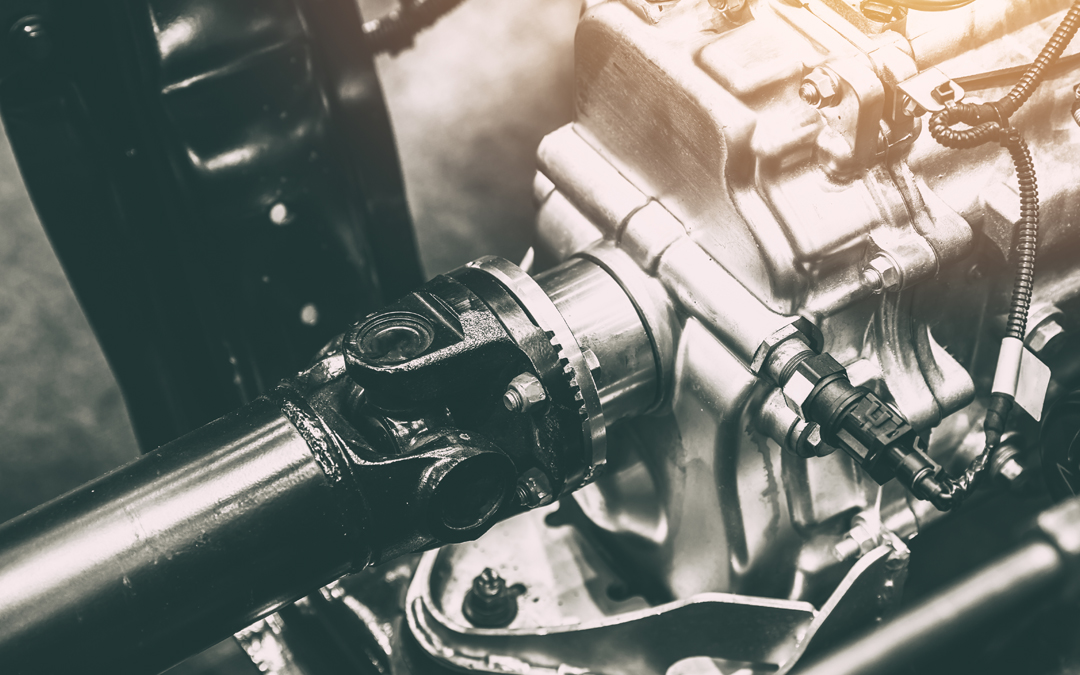
If you drive a truck, SUV, or rear-wheel/all-wheel-drive vehicle, your U-joints (universal joints) play a big role in keeping you moving smoothly. When a U-joint starts to fail, you may feel clunks, vibrations, or shuddering—especially during acceleration or when shifting from Park to Drive/Reverse.
Ignoring a worn U-joint can lead to bigger (and more expensive) driveline damage. Here’s what a U-joint does, how to spot the warning signs early, and when it’s time to book a repair in Calgary.
What Is a U-Joint (Universal Joint)?
A U-joint is a small but critical driveline component that allows the driveshaft to flex while transmitting power from the transmission/transfer case to the differential. Because the driveline moves as your suspension travels over bumps, the U-joint is built to handle changing angles while still spinning at high speeds.
You’ll commonly find U-joints on:
-
Rear-wheel-drive vehicles
-
4×4 trucks and SUVs
-
Some AWD driveline setups (depending on design)
Top Bad U-Joint Symptoms (What You’ll Notice)
A failing U-joint usually gives you warning signs. The most common symptoms include:
1) Clunking when shifting into Drive or Reverse
A worn U-joint can develop play, causing a clunk when the driveline loads/unloads—often noticed when shifting gears or when getting on/off the throttle.
2) Vibration that gets worse with speed
A dry, worn, or binding U-joint can cause a driveline vibration that becomes more noticeable at highway speeds. Many people describe it as a “buzz” or “shudder” through the seat or floor.
3) Squeaking or chirping noises
Some U-joints squeak at low speeds, especially when they’re drying out or starting to bind. (Not all vehicles will squeak—many go straight to clunks/vibrations.)
4) Shudder on acceleration
If the joint binds instead of rotating smoothly, you might feel a shudder when accelerating—especially under load or going uphill.
5) Visible rust dust near the joint caps
During an inspection, technicians sometimes find rust powder near the U-joint caps. That’s often a sign moisture got in and the bearings are deteriorating.
What Causes U-Joints to Fail?
U-joints wear out over time, but these conditions speed it up:
-
Lack of lubrication (especially if it’s a serviceable joint that hasn’t been greased)
-
Water/salt intrusion (common in winter driving)
-
High driveline angles (lifted trucks or worn suspension components)
-
Heavy towing or hauling
-
Age and mileage
Is It Safe to Drive with a Bad U-Joint?
If your U-joint is slightly worn, you might only notice minor clunks or a light vibration. But once a U-joint gets worse, it can fail suddenly.
A failed U-joint can:
-
Damage the driveshaft
-
Harm the differential yoke or transfer case
-
Leave you stranded
-
In severe cases, cause driveline parts to break loose while driving
If you’re feeling strong vibrations, repeated clunking, or shuddering, it’s best to have it inspected soon.
How We Diagnose a U-Joint Issue
A proper diagnosis usually includes:
-
Checking for play in the joint
-
Inspecting for binding or rough movement
-
Looking for rust dust, missing seals, or heat damage
-
Road testing to confirm vibration/shudder behavior
-
Ruling out similar causes (wheel balance, axle issues, carrier bearing, mounts, etc.)
Driveline vibrations can have a few different causes—so it’s important not to guess.
U-Joint Replacement: What’s Involved?
Replacement depends on your vehicle’s driveline design, but generally the job includes:
-
Removing the driveshaft (or affected driveline section)
-
Pressing out the old U-joint
-
Installing the new U-joint properly (correct seating and alignment)
-
Reinstalling and verifying smooth operation
-
Test drive and recheck
On some vehicles, the repair may involve additional parts (like a yoke or driveshaft assembly) if wear is advanced.
How Much Does U-Joint Replacement Cost in Calgary?
Cost depends on:
-
Vehicle type (car vs truck vs 4×4)
-
Number of U-joints involved
-
Rust/seized components (common on older vehicles)
-
Driveshaft design (serviceable vs non-serviceable assemblies)
The best way to avoid surprises is a quick inspection first—then we can give an accurate quote based on what your vehicle needs.
Preventing U-Joint Problems
A few simple habits help extend U-joint life:
-
If your vehicle has greaseable U-joints, keep them serviced on schedule
-
Address driveline vibrations early (they accelerate wear)
-
If your truck is lifted, ensure driveline angles are set up correctly
-
Keep up with suspension repairs—worn components can increase driveline stress
Book a U-Joint Inspection in Calgary
If you’re hearing clunks, feeling vibrations, or noticing a shudder on acceleration, we can inspect your driveline and confirm whether the U-joint is the issue—or if something else is causing the symptoms.
Not all. Many front-wheel-drive vehicles use CV axles instead, while many RWD/4×4 vehicles use driveshaft U-joints.
Stop by or give us a call any time you’d like to book an appointment!
Heritage Dr SE. Location:
8304 Fairmount Dr, SE
Calgary, AB, T2H 0Y8