

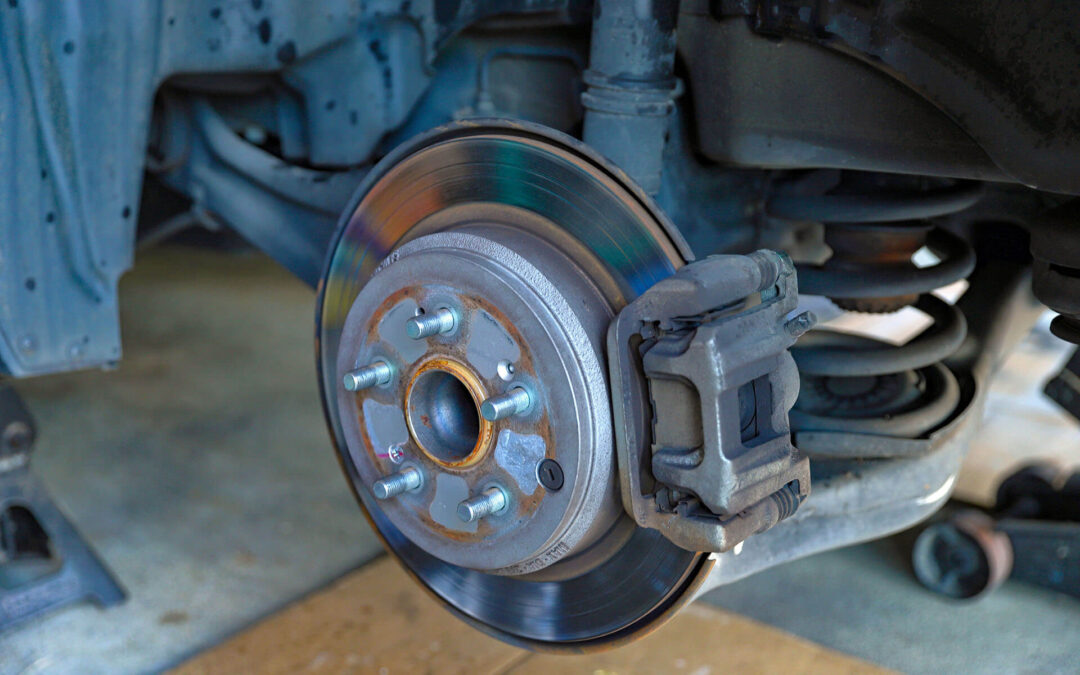
If your car shakes when you brake, it’s more than annoying—it’s a sign something isn’t working smoothly between your brakes, tires, and suspension. The vibration might show up as:
-
Steering wheel shake (often felt more in the front)
-
Brake pedal pulsation (a rhythmic “thump” in the pedal)
-
Vibration through the seat/floor (can be rear brakes, tires, or driveline)
The good news: this is a common issue and usually very fixable—especially when caught early.
First: When Does It Shake?
This detail helps narrow it down:
-
Only at highway speeds while braking: often rotors, tire issues, or suspension play
-
Only after long downhill braking: heat-related rotor/pad issues
-
Shakes even when not braking: likely tires/wheels or suspension (not brakes)
-
Pedal pulsates at low speed: could be rotor/drum runout or ABS activation on rough roads
9 Common Causes of Shaking When Braking
1) Brake rotor runout (often called “warped rotors”)
Most brake shaking comes from rotors that aren’t rotating perfectly true (runout) or have uneven friction surfaces.
What you feel: steering wheel shimmy or pedal pulsation, usually worse at higher speeds.
2) Uneven brake pad deposits (hot spots)
Hard stops, riding brakes downhill, or overheating can leave uneven pad material on the rotor surface. This can mimic “warped rotors.”
What you feel: vibration that can come and go, sometimes worse when brakes are hot.
3) Sticking brake caliper or slide pins
If a caliper sticks, it can overheat a rotor and cause uneven braking force side-to-side.
Clues: vehicle pulls when braking, one wheel hotter than the other, faster pad wear on one side.
4) Worn suspension or steering components
Loose front-end parts can amplify vibrations during braking:
-
tie rods
-
ball joints
-
control arm bushings
-
wheel bearings
What you feel: wobble/shimmy during braking, sometimes clunking over bumps too.
5) Wheel balance or tire issues
Sometimes the “brake shake” is actually a tire/wheel problem that becomes noticeable when the front end loads up during braking.
Clues: vibration even when you’re not braking (especially at certain speeds).
6) Brake drums out of round (rear brakes)
If your vehicle uses rear drum brakes, an out-of-round drum can cause pulsing or vibration.
What you feel: pulsing, sometimes more in the seat than steering wheel.
7) Loose or improperly torqued wheels
Incorrect lug nut torque or uneven tightening can distort a rotor or create vibration.
Why it matters: this can cause repeat comebacks after brake work if torque isn’t done correctly.
8) ABS activation (not always a problem)
On rough or icy roads, ABS can “pulse” the brakes, which feels like vibration in the pedal. That’s normal during traction events.
Clue: happens only during slippery stops or over bumps.
9) Brake hardware or rotor quality issues
Low-quality parts, missing hardware, or poor installation can lead to vibration. Also, some rotors need proper “bedding-in” with new pads.
Is It Safe to Drive with Shaking Brakes?
If the shake is mild, it may be safe for short trips—but it can get worse quickly.
Book an inspection soon if:
-
shaking is increasing
-
steering wheel shakes hard at highway speeds
-
you feel pulling, grinding, or burning smell
-
pedal goes soft or braking feels inconsistent
Shaking can reduce braking confidence and may indicate uneven braking force—especially important in winter conditions.
How We Diagnose Brake Shaking Properly
A real diagnosis usually includes:
-
Road test to reproduce the shake and confirm speed range
-
Measuring rotor runout / thickness variation (when needed)
-
Inspecting pads, rotors, calipers, and hardware
-
Checking for seized slide pins or uneven pad wear
-
Inspecting tires, wheel balance clues, and wheel bearings
-
Checking steering/suspension play (tie rods, ball joints, bushings)
This avoids “guessing and replacing” parts.
How to Fix Shaking When Braking
Fix depends on the cause, but common solutions include:
-
Resurfacing or replacing rotors (if within spec)
-
Replacing pads + rotors together when needed
-
Servicing or replacing sticking calipers
-
Cleaning/lubricating slide pins and replacing hardware
-
Wheel balancing or tire correction
-
Repairing worn suspension/steering components
-
Proper lug nut torque and pad bedding procedure
Book a Brake Vibration Inspection
If your steering wheel shakes when you brake, or you feel a pulsing pedal, it’s best to inspect it early to protect your rotors, pads, and suspension components.
Location:
8304 Fairmount Dr SE
Calgary, AB, T2H 0Y8 403-258-3030
